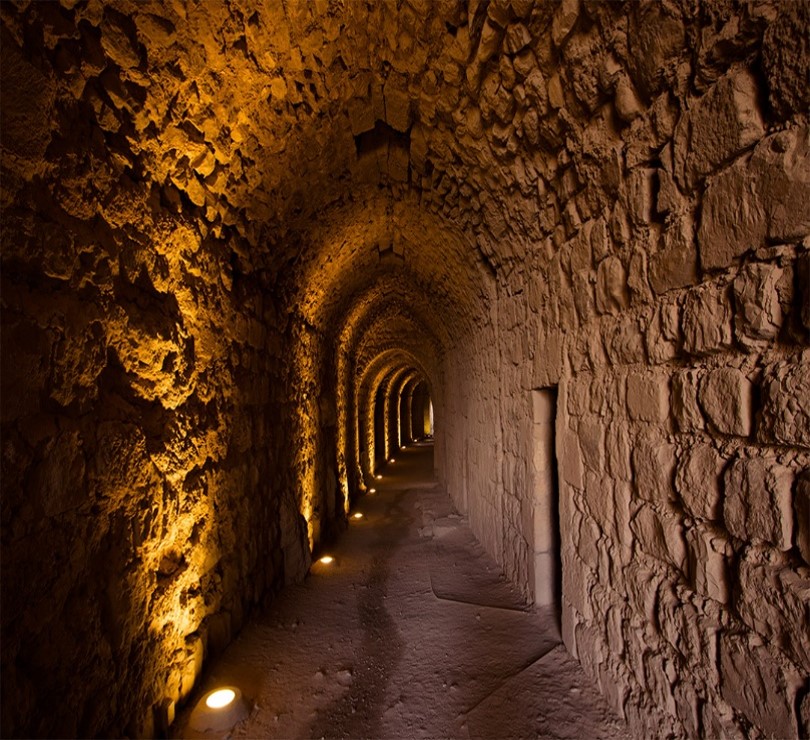



Hidden places in Petra extend far beyond the familiar route through the Siq, the Treasury, the Street of Facades, the Royal Tombs and the Monastery. For travellers exploring Petra, quieter paths and valleys reveal the true scale and complexity of the ancient Nabataean city.
For travellers researching hidden places in Petra, the scale of the archaeological landscape is essential context. Spread across more than 260 square kilometres, Petra contains valleys, temples and quiet viewpoints that many visitors never discover.
“For travelers who venture beyond the main paths, Petra reveals a far deeper story.”
Hidden places in Petra beyond the main trail
The following locations range from accessible viewpoints to remote and challenging routes. Conditions, permits and trail access can change, so travellers should confirm the current situation and use a licensed local guide for routes away from the main visitor paths.
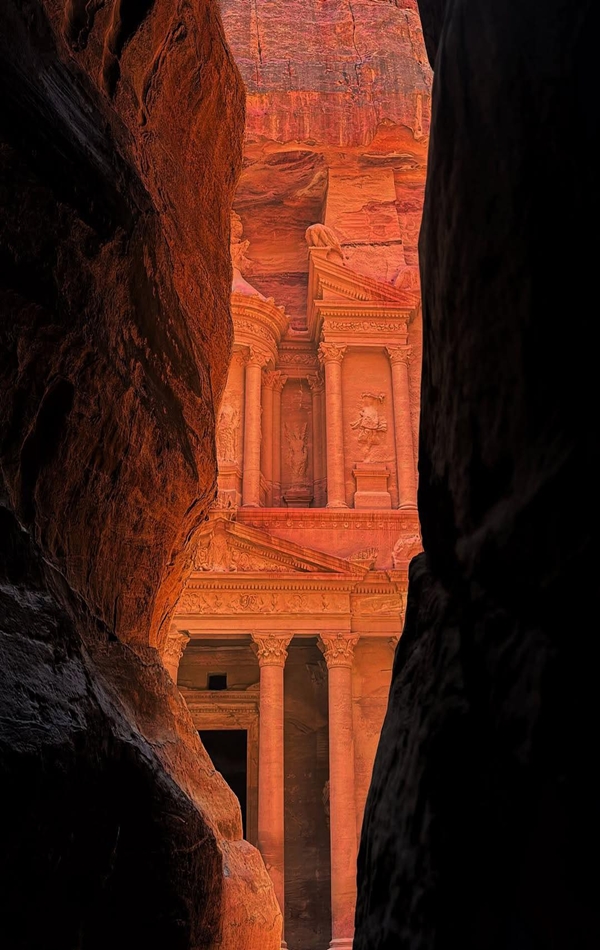
The Treasury Viewpoint from Above
Few visitors realize that the famous Treasury can be viewed from above, offering one of the most dramatic perspectives in Petra.
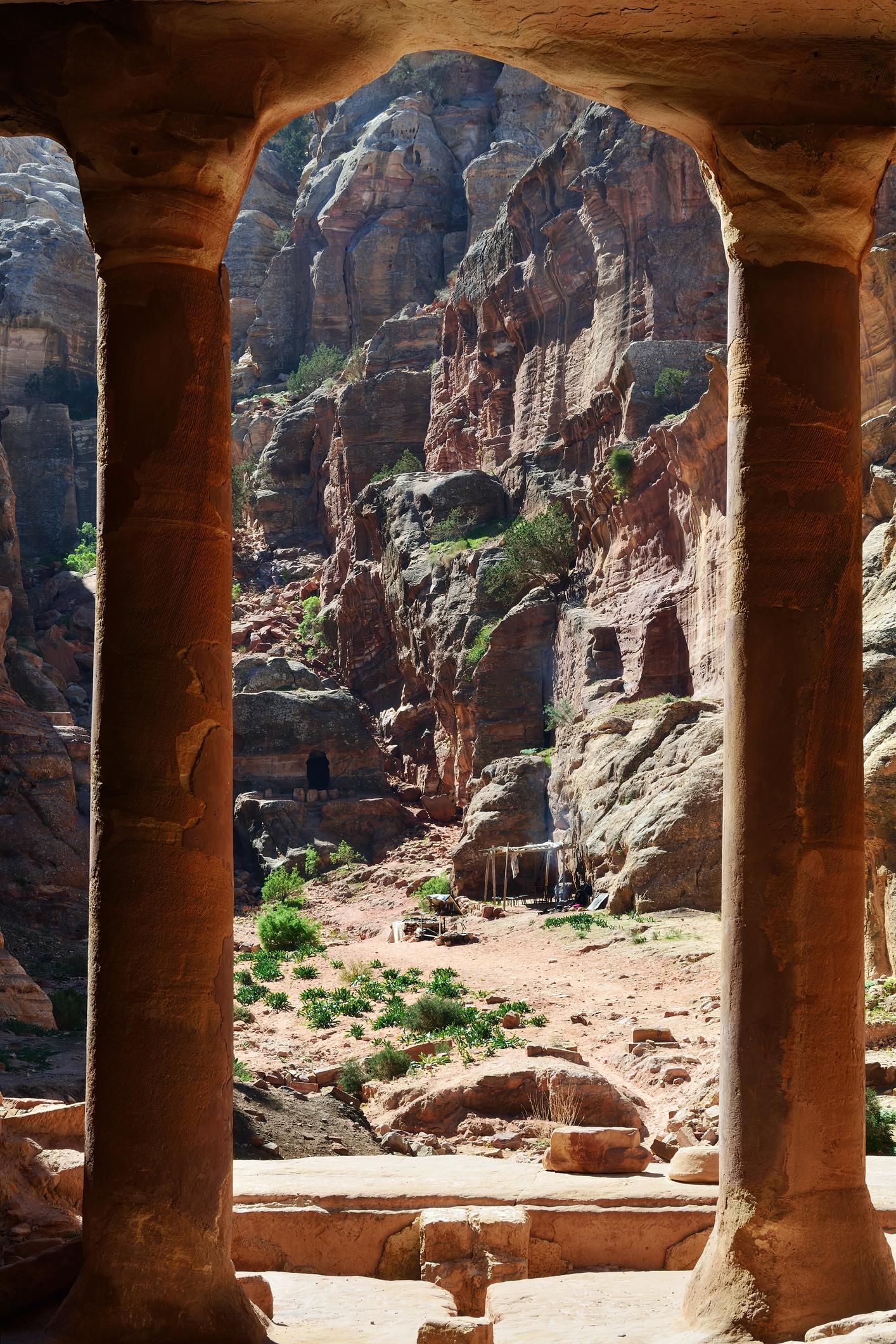
A narrow trail climbs up the cliffs beside the Siq and eventually reaches a small Bedouin tea tent overlooking the monument. From this vantage point, the intricate façade of Al-Khazneh (the Treasury) appears framed by the canyon walls below.
Unlike the crowded plaza at the base of the Treasury, this viewpoint offers a quieter, more contemplative experience — a moment to appreciate the architectural brilliance of the Nabataeans from a completely different angle.
The Sabra Temple Trail
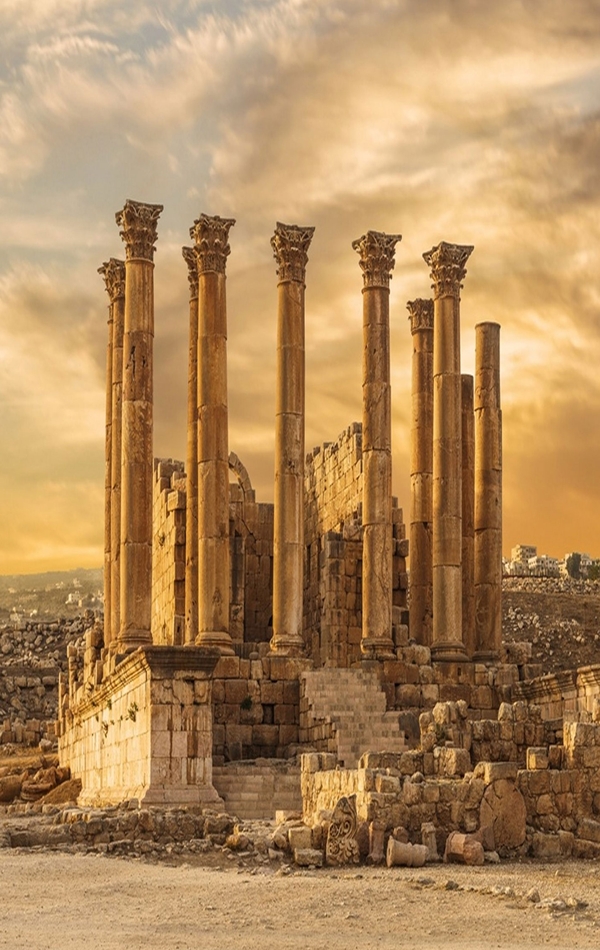
Hidden in a remote valley southwest of the main archaeological zone lies Sabra Temple, one of the most impressive yet rarely visited monuments in Petra.
The journey to Sabra requires a hike through narrow sandstone canyons and quiet desert landscapes. Along the way, visitors encounter ancient tombs, carved niches, and traces of Nabataean pathways that once connected Petra to the surrounding regions.
When the temple finally appears, its massive columns and carved structures stand almost alone in the valley — a powerful reminder of the grandeur of Petra beyond the main tourist routes.
The Wadi Farasa Valley
One of Petra’s most beautiful yet overlooked areas is Wadi Farasa, sometimes called the “Garden Valley” of Petra.
This quiet valley contains several remarkable monuments, including:
- The Garden Temple
- The Soldier Tomb
- The Renaissance Tomb
One of Petra’s most beautiful yet overlooked areas is Wadi Farasa, sometimes called the “Garden Valley.”
One of Petra’s most beautiful yet overlooked areas is Wadi Farasa, sometimes called the “Garden Valley” of Petra.
The Al-Madras Trail
For travelers seeking spectacular views and a quieter hiking route, the Al-Madras Trail offers one of the most rewarding climbs in Petra.
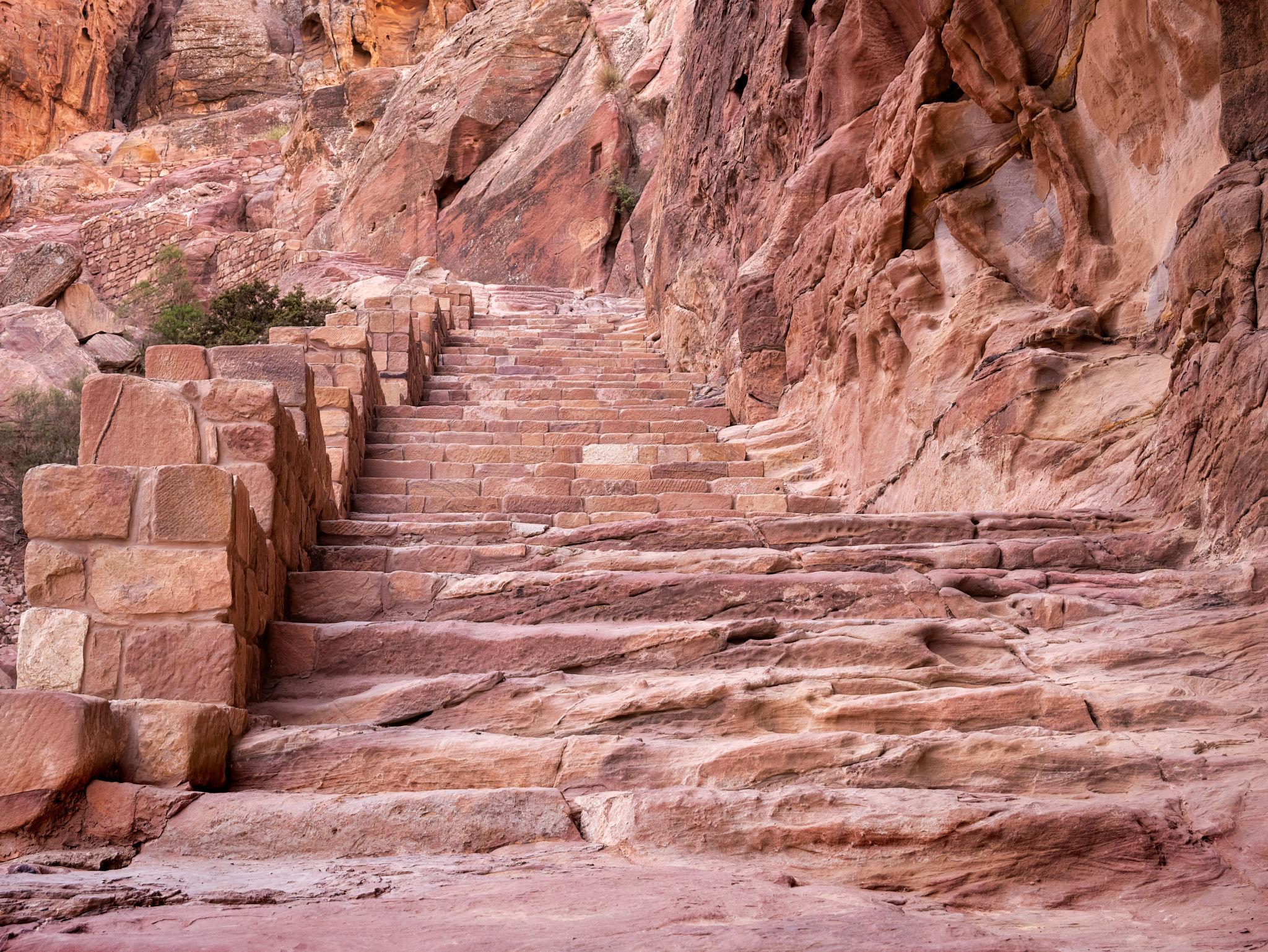
The trail begins near the Siq entrance and follows an ancient Nabataean staircase carved into the rock. As the path climbs higher, the landscape opens into sweeping views of Petra’s valleys and mountains.
At the summit, hikers reach a high plateau overlooking the archaeological park, providing a panoramic perspective rarely seen by most visitors to Petra.
It is one of the most beautiful and lesser-known hiking experiences in Petra.
Jabal Haroun: The Sacred Mountain of Petra
Rising above Petra’s landscape is Jabal Haroun, the highest mountain in the region and the traditional burial place of Aaron, the brother of Moses.
Pilgrims have visited this sacred mountain for centuries, and a small white shrine marking Aaron’s tomb can still be seen at the summit.
The hike to Jabal Haroun is long and demanding, but the reward is extraordinary: sweeping views across Petra’s valleys and toward the deserts that surround the ancient city.
Few travelers attempt this journey, yet it offers one of the most profound experiences in Petra — combining history, spirituality, and breathtaking landscapes.
The Blue Corridor (Jebel Khubtha Trail)
One of the most spectacular viewpoints in Petra lies high above the Royal Tombs along the Jebel Khubtha Trail.
The climb begins near the Street of Facades and leads up a series of ancient stone steps carved directly into the sandstone cliffs. As the path ascends, the crowds quickly disappear and the silence of the surrounding mountains takes over.
At the summit, visitors reach one of Petra’s most breathtaking viewpoints, overlooking the Treasury from above as well as the vast valleys of the archaeological park.
Because many visitors remain on the main trail, this route offers a rare opportunity to experience Petra’s landscapes in relative solitude.
The Roman Soldier’s Tomb and Triclinium
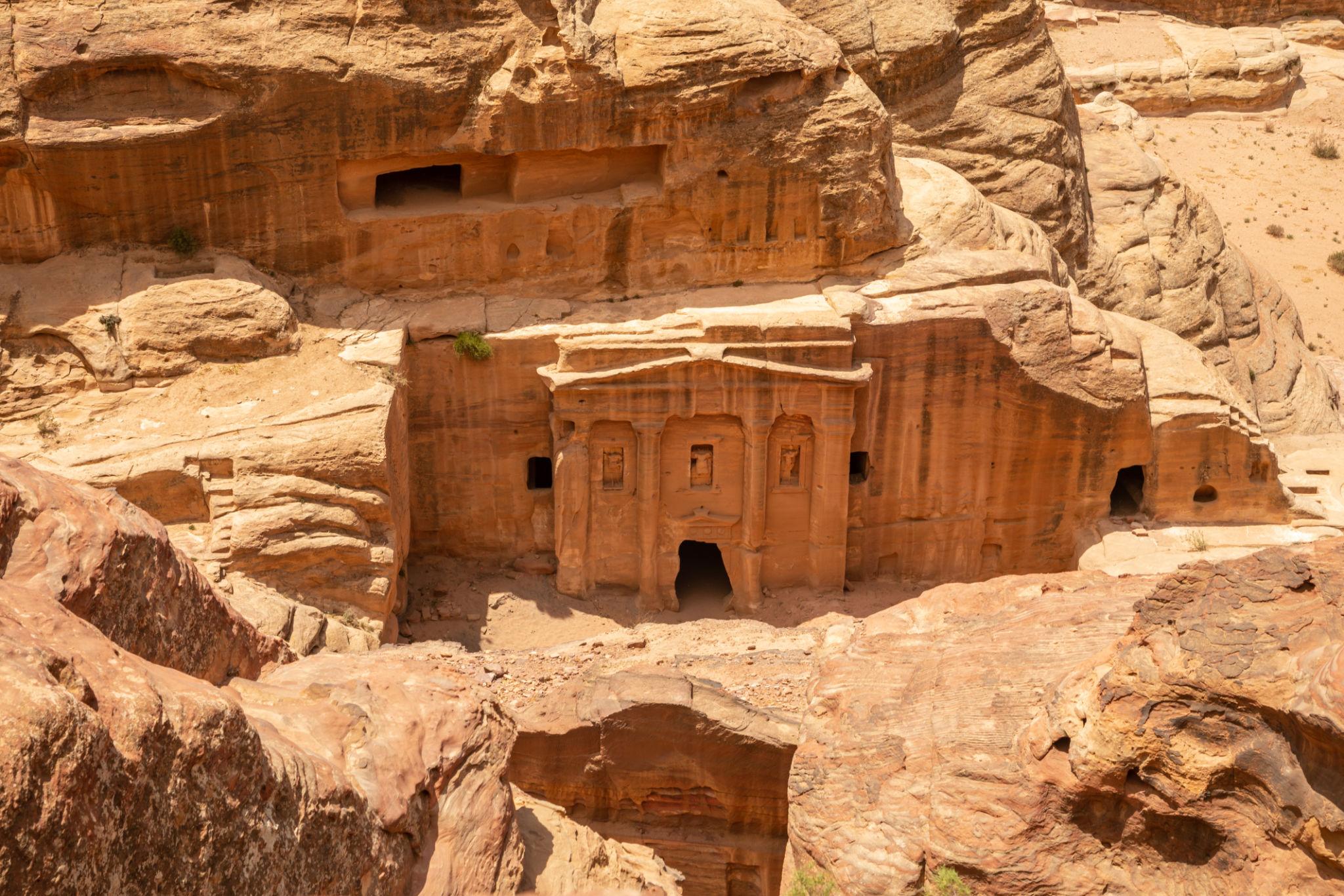
Hidden in Wadi Farasa, the Roman Soldier’s Tomb is one of Petra’s most elegant and atmospheric monuments.
The façade features beautifully carved columns and decorative elements that reflect the architectural influences of both Nabataean and Roman design.
Just opposite the tomb lies a triclinium, a ceremonial dining hall where banquets were once held in honor of the dead.
Few visitors reach this part of Petra, yet it offers a powerful glimpse into the cultural exchanges that shaped the ancient city during its peak as a trading hub.
The Snake Monument
Along the trail leading toward the High Place of Sacrifice, travelers may encounter one of Petra’s most mysterious carvings — the Snake Monument.
This large stone block features a carved serpent that winds across the surface of the rock. Scholars believe the monument was connected to ancient Nabataean religious rituals, possibly symbolizing protection or divine power.
The monument stands quietly along the path, often unnoticed by visitors who pass by without realizing its historical significance.
The Petra Cisterns and Ancient Water System
One of the greatest achievements of the Nabataeans was their extraordinary water management system.
Petra lies in an arid desert region, yet the ancient city was able to sustain tens of thousands of inhabitants thanks to an intricate network of cisterns, dams, and rock-carved water channels.
These channels can still be seen along many of Petra’s trails, especially in the Siq and surrounding valleys. Carefully engineered to capture and store rainwater, the system protected the city from floods while ensuring a reliable water supply throughout the year.
Today, these subtle features remind visitors that Petra was not only beautiful — it was also an engineering masterpiece.
Umm al-Biyara Mountain Plateau
Towering above the center of Petra is the dramatic mesa known as Umm al-Biyara.
This flat-topped mountain once hosted an ancient settlement dating back thousands of years. Archaeological excavations have revealed traces of early Edomite occupation as well as Nabataean remains.
The climb to the summit is challenging and rarely attempted by casual visitors, but those who reach the plateau are rewarded with one of the most extraordinary views in Petra.
From here, the vast network of valleys, temples, and tombs spreads across the landscape below, revealing the immense scale of the ancient city.
Petra’s fame often rests on the magnificent façade of the Treasury, yet the true magic of the ancient city lies far beyond that single monument.
Hidden valleys, forgotten temples, and quiet mountain trails reveal a deeper Petra — one shaped by centuries of trade, culture, and human ingenuity.
For those willing to wander beyond the familiar path, Petra becomes far more than a famous landmark. It becomes an endless landscape of discovery, where every canyon and every trail tells another story of the lost city.
Planning a safe visit beyond Petra’s main route
Exploring hidden places in Petra responsibly requires preparation. Remote trails can involve steep drops, exposed sections, long distances and limited facilities. Wear suitable footwear, carry water, avoid unverified shortcuts and follow official closures or weather warnings. The UNESCO World Heritage listing for Petra explains the significance of protecting this exceptional archaeological landscape.
Quest Travel Jordan can design a private Jordan journey with realistic timing, licensed guiding and suitable Petra routes. Special access is always subject to official permissions and current site rules.
Contact Quest Travel Jordan to discuss a tailor-made Petra journey.