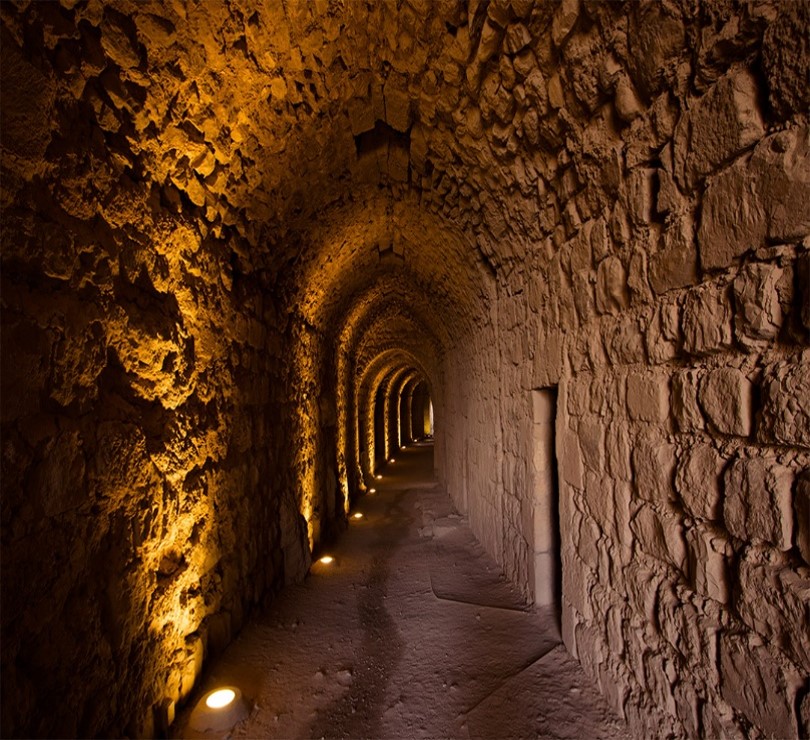
Petra stands as one of the world’s most extraordinary archaeological treasures — a city sculpted into rose-colored sandstone cliffs over 2,000 years ago. Once the thriving capital of the Nabataean Kingdom, Petra reveals a remarkable legacy of trade, architecture, and engineering. From the dramatic entrance through the Siq to the iconic Treasury and the monumental Monastery, every path unveils layers of history and breathtaking natural beauty. Beyond its famous façades, Petra invites visitors to explore hidden tombs, panoramic viewpoints, and ancient trails that reveal the ingenuity of the Nabataeans and the cultural crossroads that once connected Arabia with the Mediterranean world.
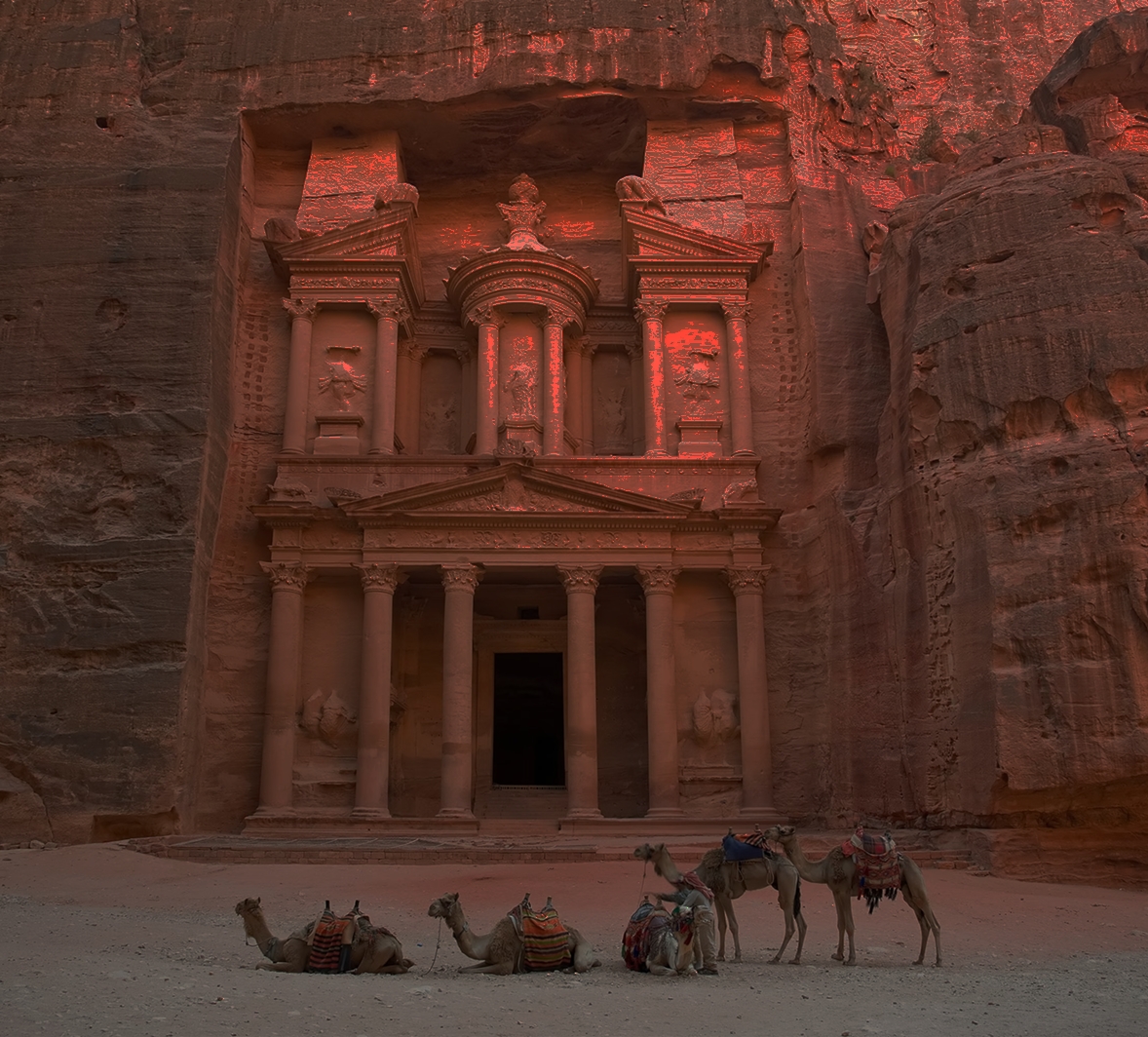
Petra was not merely built — it was carved with extraordinary precision into living sandstone cliffs. As the flourishing capital of the Nabataean Kingdom, the city stood at the crossroads of ancient trade routes connecting Arabia, Egypt, and the Mediterranean world. Its monumental façades, intricate water systems, and vast network of tombs reflect a civilization defined by ingenuity, artistry, and resilience.
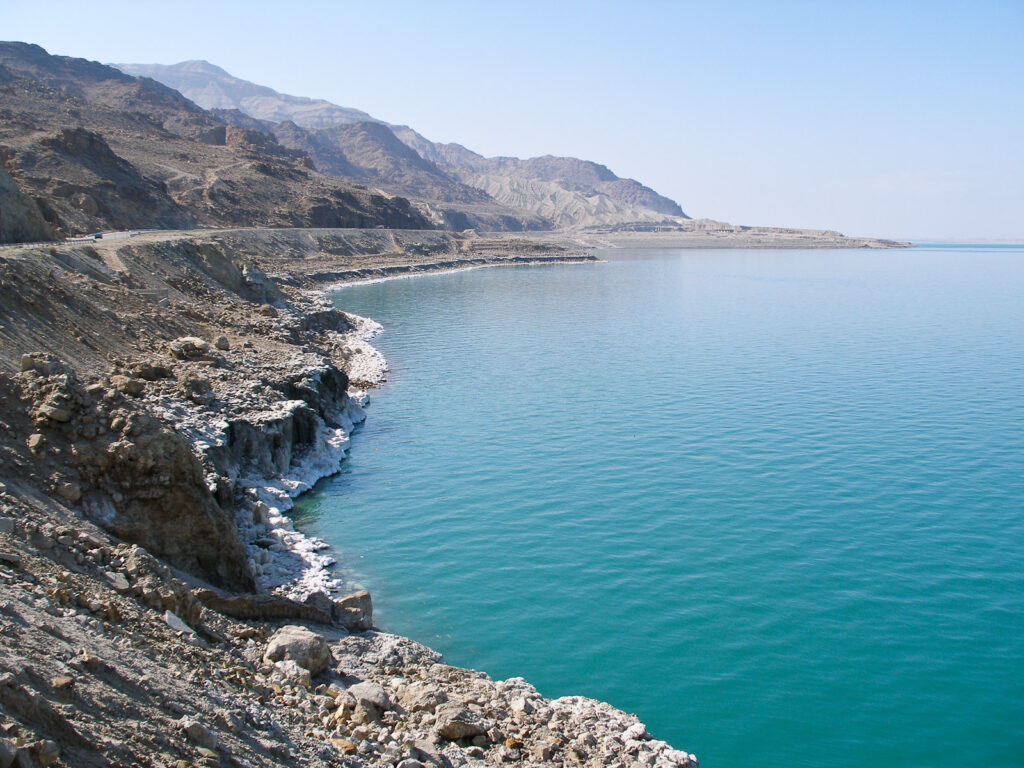
Beyond the iconic Treasury, Petra reveals layers of history through royal tombs, colonnaded streets, sacred temples, and high-altitude viewpoints overlooking dramatic desert valleys. Often experienced as part of a wider journey through Jordan, Petra pairs naturally with the desert landscapes of Wadi Rum and the tranquil shores of the Dead Sea, forming one of the Middle East’s most unforgettable cultural and natural experiences.
Petra’s extraordinary rise was rooted in its strategic position along vital trade routes connecting Arabia, Egypt, and the Mediterranean world. The Nabataeans transformed this desert stronghold into a thriving commercial hub, mastering water engineering and carving monumental architecture directly into sandstone cliffs. Merchants, travelers, and pilgrims passed through its gates, shaping a city defined by exchange, ingenuity, and cultural sophistication. Today, Petra remains not only an archaeological marvel, but a powerful testament to a civilization that bridged continents through vision and resilience.

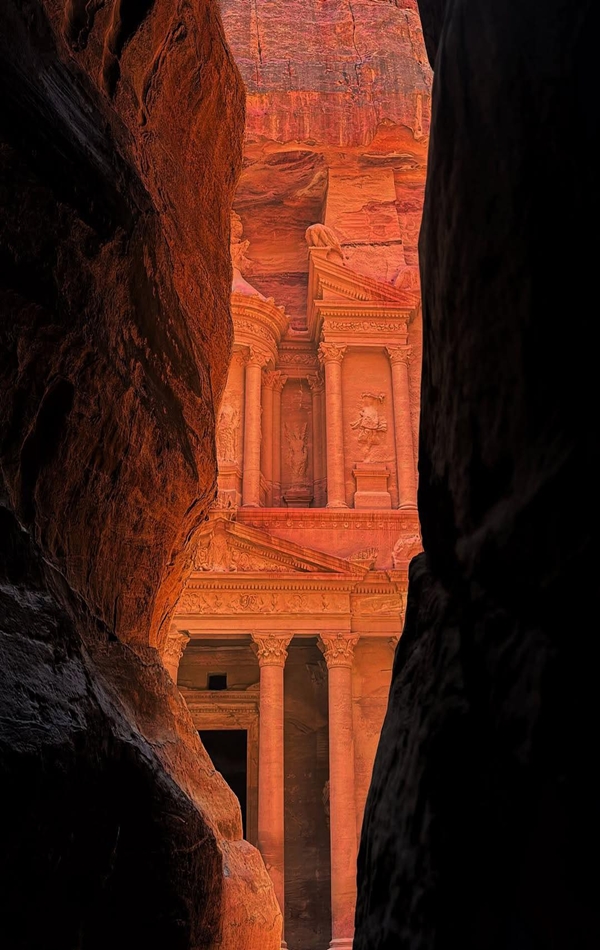
Before Petra reveals its monumental façades, it invites visitors to walk through the Siq — a narrow, winding canyon stretching over one kilometer in length. Towering sandstone walls rise dramatically on either side, shifting in color from deep red to soft rose as light filters through the canyon. Once the ceremonial entrance to the ancient Nabataean capital, the Siq was carefully engineered with water channels carved into its rock face — a testament to Petra’s advanced hydraulic system.
As the canyon narrows and anticipation builds, the Treasury suddenly appears through a sliver of light — one of the most unforgettable first impressions in the world of travel. The journey through the Siq is not merely a passage; it is a carefully staged introduction to Petra’s grandeur.


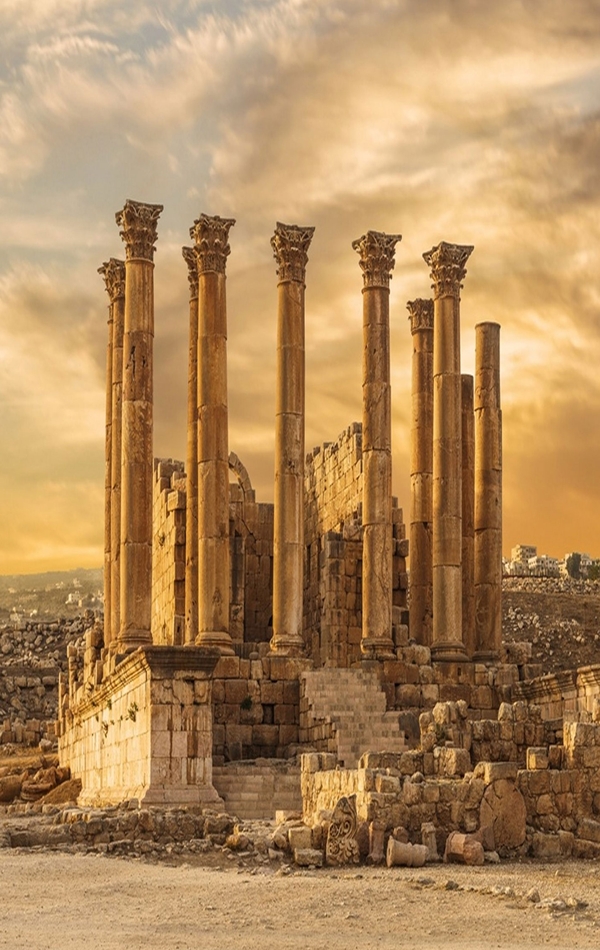
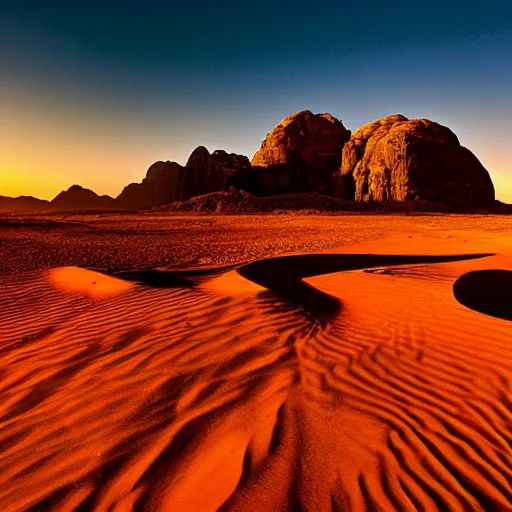
Petra is not an isolated wonder, but part of a broader landscape shaped by history, trade, and culture across Jordan. From the Roman colonnades of Jerash to the vast desert landscapes of Wadi Rum and the mineral-rich waters of the Dead Sea, the country reveals a remarkable continuity of civilizations and natural contrasts.
Understanding Petra within the wider context of Jordan deepens the experience — it becomes not only a destination, but a chapter within a larger story that stretches across deserts, highlands, and ancient trade routes.
Whether witnessing the first light illuminate the Treasury, hiking ancient Nabataean trails to the Monastery, or exploring Petra with a private licensed guide, every visit can be thoughtfully tailored to your interests and pace. From cultural insights to immersive walking routes and refined accommodations, Petra reveals its greatest depth when experienced with care and expertise.
Our team at Quest Travel Jordan – DMC designs curated journeys that transform a visit to Petra into a seamless and meaningful experience — combining heritage, comfort, and authentic local connection across Jordan.
Plan with time for the landscape. Petra is reached through Wadi Musa, but the archaeological park extends far beyond the Treasury. Its main paths involve long distances, stone surfaces, uneven ground and substantial steps, so a comfortable pace matters.
Prepare for the terrain. Sturdy footwear, sun protection and drinking water are sensible essentials. Opening hours and access conditions can change; check the official Petra visitor information close to travel and use recognised trails unless accompanied by an appropriate local guide.
Use the official route scale. UNESCO inscribed Petra in 1985 under cultural criteria (i), (iii) and (iv), recognising its rock-cut architecture, caravan-city history and ingenious water system. The official Petra Main Trail runs 3.9 km one way from the Visitor Center to Qasr al-Bint and is estimated at about 1 hour 30 minutes to 1 hour 45 minutes without stops; allow considerably more time for monuments, rest, photography and the return journey. See the UNESCO Petra record for the protected site’s heritage context.
For quieter paths and lesser-known viewpoints, explore Petra Beyond the Treasury.