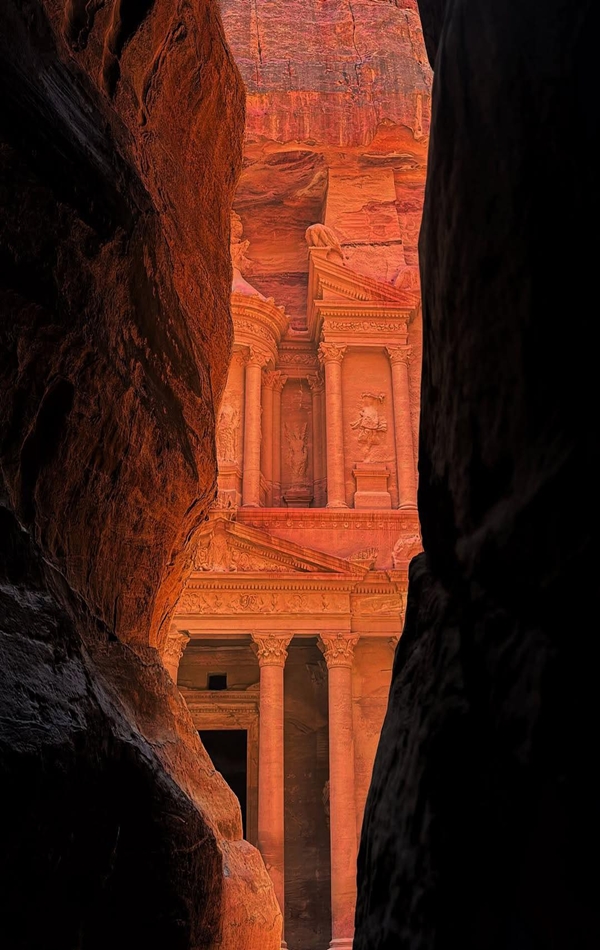
Jerash, Jordan is one of the best-preserved Roman cities in the world and among Jordan’s most remarkable archaeological treasures. Known in antiquity as Gerasa, the city flourished during the Roman Empire and became part of the Decapolis — a league of ten important cities in the eastern Roman provinces. Today, visitors can walk along remarkably preserved colonnaded streets, explore grand temples dedicated to Zeus and Artemis, and admire impressive theaters, plazas, and arches that reveal the sophistication of Roman urban design.
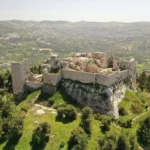
From the iconic Hadrian’s Arch and the Oval Plaza to the historic Cardo Maximus, Jerash offers a rare opportunity to step directly into the grandeur of classical antiquity while experiencing one of the Middle East’s most extraordinary historical landscapes, often visited as part of journeys connecting nearby Amman and the forested hills of Ajloun.

Jerash, Jordan was once one of the most prosperous cities of the Roman East, flourishing as the ancient city of Gerasa within the Decapolis — a league of ten important Greco-Roman cities. Its development reached its height during the Roman Empire, when monumental temples, theaters, and colonnaded avenues were constructed, reflecting the wealth and sophistication of the city.
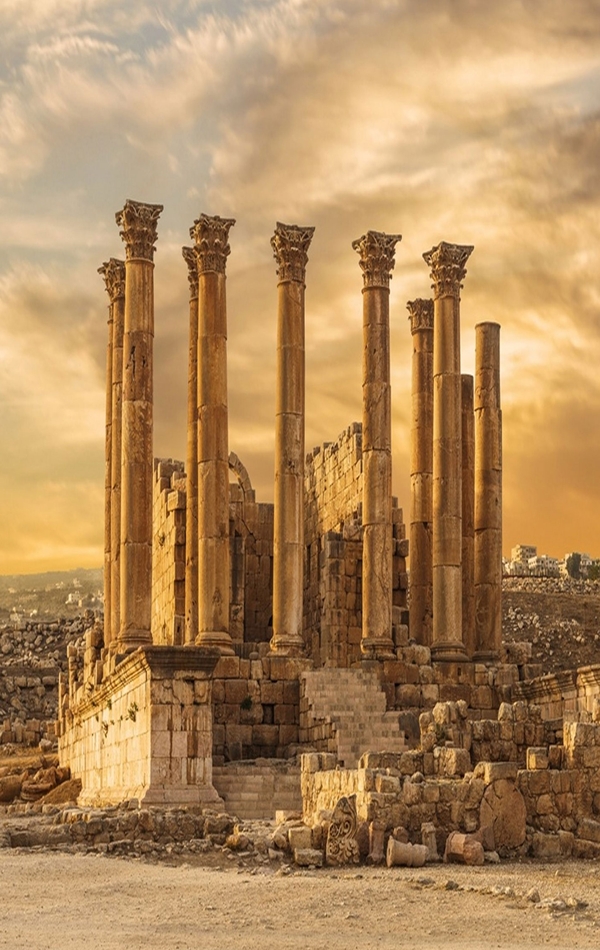
Today, Jerash stands as one of the best-preserved Roman archaeological sites in Jordan. Visitors can walk through Hadrian’s Arch, the Oval Plaza, and the grand Cardo Maximus, where rows of towering columns still define the ancient streets. Temples dedicated to Artemis and Zeus, impressive theaters, and monumental gates reveal the scale and grandeur of a city that once played a vital role in the cultural and commercial life of the region.
Jerash’s importance in antiquity grew from its strategic position within the Decapolis, a network of prosperous Greco-Roman cities that flourished across the eastern provinces of the Roman Empire. Known as Gerasa during this period, the city became an important cultural and commercial center shaped by trade routes and the exchange of ideas across the region. Its monumental architecture, public squares, and temples reflect the prosperity and urban sophistication of one of the most remarkable cities of the Roman East.
Today, Jerash remains a living testament to this legacy, where remarkably preserved ruins allow visitors exploring Jordan to experience the grandeur and atmosphere of an ancient Roman city unlike almost anywhere else in the world.


Jerash reveals its ancient splendor as visitors move through its monumental streets, temples, and grand public spaces. Walking along the Cardo Maximus — the city’s main colonnaded avenue — travelers can admire rows of towering columns that once framed the bustling heart of Roman Gerasa. Nearby, the impressive Oval Plaza forms one of the most distinctive public squares of the ancient Roman world.
Further exploration leads to the majestic Temple of Artemis, the South and North Theatres, and Hadrian’s Arch — monumental landmarks that illustrate the architectural sophistication and cultural importance of the city. Surrounded by the green hills of northern Jordan, Jerash allows visitors to experience the atmosphere of a thriving Roman city where history remains vividly preserved among some of the most remarkable ruins in the Middle East.


Jerash is ideally located in northern Jordan, making it one of the most accessible and rewarding historical sites to explore from Amman. Visitors can easily combine a journey through Jerash’s magnificent Roman ruins with nearby destinations such as the lush hills of Ajloun and its historic castle, offering a deeper understanding of the region’s rich cultural landscape.
Exploring Jerash within the wider context of Jordan reveals the remarkable continuity of civilizations that shaped the country — from ancient Roman cities to medieval fortresses and vibrant modern communities. The city stands as a powerful reminder of Jordan’s role as a crossroads of cultures and history across the centuries.
Read Jerash as a complete ancient city. The Jordan Department of Antiquities records Hadrian’s Arch, the Hippodrome, the temples of Zeus and Artemis, the South and North Theatres, the Cardo, the Nymphaeum, Byzantine churches and the Umayyad mosque. The official Visit Jordan guide adds practical context for exploring the ancient city and its principal monuments.
Plan for Jerash’s scale, stone surfaces and exposed areas. Allow enough time for the southern gateway, Oval Plaza and Cardo before choosing the temples, theatres and northern sectors that suit your party. Current access, events and site arrangements can change, so Quest reconfirms the visit sequence before travel and adapts it to the season, mobility and interests of your guests. Ask Quest Travel’s Jordan team to shape a private, tailor-made Jerash visit.