


Getting around Jordan is straightforward when transport is matched to the route, group, mobility needs and level of support required. The country is compact, but distances on a map do not show traffic, mountain roads, desert conditions, walking surfaces or the time needed to enter major sites. This guide explains the main transport choices and the accessibility questions worth resolving before travel, with links to official sources for current operating information.
Getting around Jordan: the quick answer
For most international visitors, a private vehicle with a professional driver offers the clearest combination of flexibility, luggage handling and local support. Scheduled coaches can suit fixed point-to-point journeys between selected cities and attractions. Taxis and ride-hailing services are useful for urban trips, while self-drive travel can work for confident drivers who are comfortable with local road conditions and navigation.
Accessibility varies considerably by airport, vehicle, hotel and visitor site. A service described as accessible at one stage does not guarantee a step-free experience throughout the journey. Confirm each transfer, entrance, surface, toilet and walking distance separately.
Choose transport by journey type
| Transport choice | Best suited to | Confirm before relying on it |
|---|---|---|
| Private vehicle and driver | Flexible routes, families, small groups, luggage, business travel and travellers needing coordinated support | Vehicle height, step-in access, boot space, rest stops, driver language and equipment handling |
| Scheduled coach | Selected intercity and visitor-site connections with fixed departure points | Current route, departure location, booking rules, luggage policy and boarding assistance |
| Taxi or ride-hailing | Short urban journeys and transfers where service is available | Exact pickup pin, vehicle size, payment method and whether assistance or extra luggage can be accommodated |
| Self-drive | Independent travellers comfortable with navigation and varied roads | Licence requirements, insurance scope, fuel planning, parking, road conditions and emergency contacts |
| Domestic flight | Limited routes where flight times align with the wider journey | Live airline operation, baggage, airport transfer and assistance arrangements |
Arrival at Queen Alia International Airport
Queen Alia International Airport is the main international gateway for Amman and much of Jordan. Before arrival, keep the accommodation name, telephone number and an exact map pin available offline. Street addresses in Amman may be described through neighbourhoods and landmarks, so a precise pin helps drivers reach the correct entrance.
Travellers who require wheelchair or special assistance should request it through their airline when booking and reconfirm before departure. The airport’s official accessibility information describes assistance delivered through airline ground handlers, together with adapted facilities, accessible toilets, designated lanes, parking and tactile paving. Confirm where assistance begins, whether it continues to the vehicle pickup point and who will handle personal mobility equipment.
Entry rules are a separate planning step. Review the Quest Jordan entry requirements guide and verify the live official rules before travel.
Private transport with a professional driver
A private driver is often the most practical option for travellers connecting Amman, Petra, Wadi Rum, the Dead Sea and regional sites. It allows departure times and rest stops to be coordinated without presenting a fixed public programme. A knowledgeable local team can also anticipate suitable pickup points, luggage limits and road access.
Questions to ask about the vehicle
- How high is the step into the vehicle, and is a portable step available?
- Can the passenger transfer independently, or is physical assistance required?
- Will a folding wheelchair, walker, pushchair or other equipment fit safely with all luggage?
- Is the vehicle able to reach the closest practical entrance at each stop?
- Can comfort breaks be planned around suitable facilities?
- Who should be contacted if mobility needs change during travel?
Share measurements and handling instructions for mobility equipment in advance. A general request for an “accessible vehicle” is not specific enough because needs differ between travellers.
Scheduled coaches and intercity services
Scheduled coaches connect selected cities, airports and visitor destinations. They can be useful when the route and departure time fit the traveller’s plans, but services should not be assumed to operate from every town or on every day. Consult the official JETT schedule for current routes and booking information rather than relying on an old screenshot or third-party timetable.
Confirm the exact terminal, boarding time, luggage allowance, ticket collection method and accessibility support directly with the operator. Ask whether the coach has steps, whether equipment can be stored safely and whether staff can assist at boarding and arrival. The Jordan Tourism Board also maintains official overviews of getting around Jordan and ground transportation.
Taxis and ride-hailing in Jordan
Taxis and app-based services can work well within Amman and other urban areas. Set the pickup point carefully, check the vehicle registration before entering and retain the destination pin. For airport transfers, early departures, large luggage loads or mobility requirements, pre-arranged transport reduces uncertainty.
Not every vehicle will have enough boot space or a suitable seat height. Travellers who need a particular vehicle type, child restraint, wheelchair storage or driver assistance should arrange it in advance rather than depending on the next available car.
Self-drive travel
Jordan’s main destinations are connected by road, and self-drive travel offers independence. It also places responsibility for navigation, parking, road-condition decisions and roadside support on the traveller. Urban traffic can be busy, night driving may reduce visibility, and routes near mountain or desert landscapes require attention to weather and road conditions.
- Confirm licence and rental requirements with the rental company.
- Read the insurance exclusions and emergency procedure before leaving the desk.
- Inspect the vehicle and record existing damage.
- Download maps and keep an offline copy of key locations.
- Avoid estimating journey time from distance alone.
- Ask locally before taking minor roads after heavy rain or during unusual weather.
- Plan fuel and rest stops before remote sections.
For broader practical preparation, see Jordan Travel Tips.
Accessibility is a chain, not a single label
A useful accessibility check follows the traveller from arrival to departure. Review the airport, vehicle, accommodation, restaurants, toilets, paths, entrances and emergency support as separate links in that chain. Historic and natural sites may include steps, sand, gravel, steep gradients, narrow passages and long distances even when assistance is available near the entrance.
Before confirming any service
- Ask for the number and height of steps, not only whether steps exist.
- Confirm the surface: paving, compacted earth, gravel, sand or uneven stone.
- Request realistic walking distances between the vehicle, entrance, toilets and main viewpoint.
- Check doorway, lift and bathroom dimensions when they affect access.
- Confirm whether a companion or trained staff member must assist.
- Explain sensory, hearing, vision, dietary or cognitive needs as clearly as physical mobility needs.
- Agree an alternative if the planned access point is unavailable.
Petra access and walking conditions
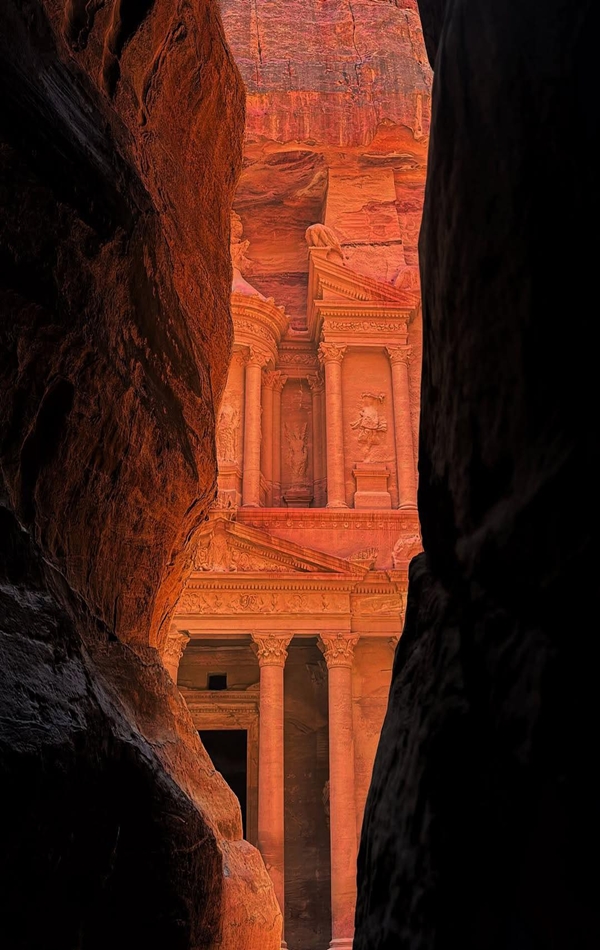
Petra requires particularly careful planning. The official Main Trail description shows that the route passes through the Siq to the Treasury and continues across an extensive archaeological landscape. Surfaces and gradients vary, distances can be substantial and conditions change with weather and visitor flow.
Transport or assistance near one part of Petra should not be interpreted as step-free access across the entire site. Discuss the traveller’s stamina, transfer ability, equipment and desired viewpoint before deciding what is realistic. The Quest Petra destination guide provides wider context, while the live official Petra source should be checked for current visitor arrangements.
Wadi Rum, the Dead Sea and other landscapes
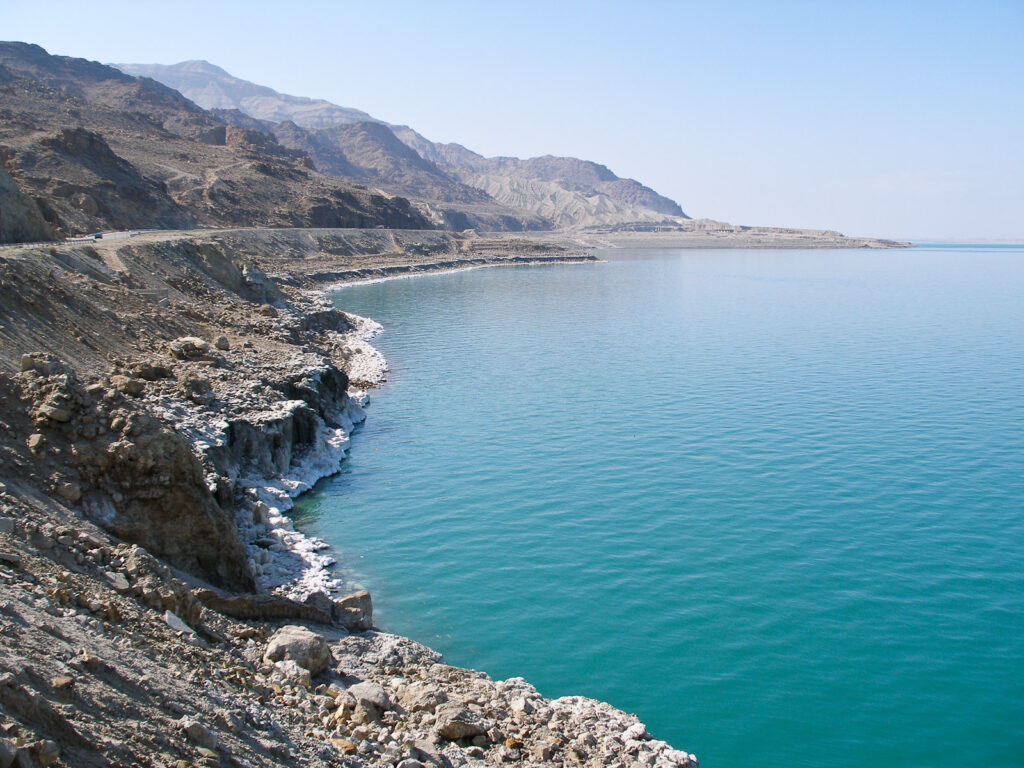
Natural landscapes create different access questions. In Wadi Rum, sand, vehicle height and camp pathways matter. At the Dead Sea, steep approaches, salt surfaces and safe entry to the water may affect participation. Nature reserves can involve narrow paths, steps and uneven terrain. Ask for photographs or measurements of the actual vehicle, room and access route when a requirement is essential.
Conditions also change by season. Heat, cold, wind and rain can make transfers and outdoor surfaces more demanding. Build flexibility into transport planning and keep water, essential medication and mobility aids accessible rather than packed beneath luggage.
Transport planning for families, groups and business travel
Families may need suitable restraints, easy rest stops and space for pushchairs. Groups need accurate passenger and luggage counts so the vehicle is not undersized. Business and MICE travellers may require coordinated arrivals, multilingual support, branded meeting points and dependable communication across several vehicles.
One lead contact should hold the passenger names, flight details, mobility notes and driver contacts while sharing sensitive information only with people who genuinely need it. Reconfirm arrivals when airlines change timings, and avoid placing medical details in open group messages.
A practical pre-travel checklist
- Record exact arrival details and the terminal meeting point.
- Share passenger, luggage and equipment requirements.
- Confirm vehicle type, step height and storage.
- Save accommodation and destination map pins offline.
- Check live coach, airline and site information with the operator.
- Verify accessible toilets and rest opportunities.
- Carry essential items in the cabin or passenger area.
- Keep local and emergency contacts available without internet access.
- Reconfirm arrangements shortly before travel.
Frequently asked questions
What is the easiest way to travel around Jordan?
For many visitors, a private vehicle and driver is the easiest option because it combines door-to-door movement, luggage handling and flexible stops. The right choice still depends on route, group size, independence and support needs.
Can Jordan be explored by public transport?
Scheduled services connect selected places, but coverage and departure points vary. Check the operator’s live information and plan the first and last part of each journey, especially when accommodation is away from a terminal.
Is Jordan fully wheelchair accessible?
No single answer applies across the country. Airport facilities may be adapted while historic sites, desert camps or natural trails can include difficult surfaces and steps. Confirm each stage against the traveller’s specific measurements and assistance needs.
Should airport assistance be booked in advance?
Yes. Request special assistance through the airline during booking and reconfirm it before departure. Also confirm the handover point between airport staff and the ground-transport provider.
Plan transport with local support
Quest Travel Jordan designs private transport and operational support around the traveller rather than forcing every guest into the same format. Tell us the route, passenger count, luggage and access requirements, and we will identify the questions that must be confirmed with each provider. Contact Quest Travel Jordan to discuss suitable arrangements.