


Responsible travel in Jordan begins with simple, specific decisions: follow the rules of each protected area, stay on designated routes, conserve scarce water, avoid disturbing wildlife and leave archaeological and marine environments exactly as you found them. It also means respecting local communities and checking environmental claims before repeating them.
Jordan brings deserts, forests, wetlands, canyons, coral reefs and ancient monuments into a relatively compact country. These places do not all have the same risks or visitor rules. This guide brings together practical actions from official Jordanian conservation, tourism, heritage and marine authorities, while directing travellers to the live source when conditions can change.
Responsible travel in Jordan: the quick checklist
| Place or decision | Responsible action | Confirm before visiting |
|---|---|---|
| Nature reserve | Use marked paths, keep noise low and follow ranger instructions | Current opening, weather, trail access, guide requirement and fire rules |
| Petra or another archaeological site | Do not climb, scratch, remove or buy objects represented as antiquities | Official visitor rules, licensed services, trail status and photography restrictions |
| Aqaba reef or beach | Do not stand on coral, collect organisms, fish in protected areas or leave waste | Reserve boundaries, registered operators and current activity rules |
| Wildlife encounter | Observe quietly from a safe distance and never feed animals | Ranger or guide instructions and seasonal sensitivities |
| Accommodation or activity | Ask for evidence behind environmental or community-benefit claims | Who operates the service, where benefits go and what is independently verified |
| Local purchase | Choose authentic locally made goods through transparent sellers | Origin, maker and any restrictions on natural or archaeological materials |
What responsible and nature-based travel should achieve
The Royal Society for the Conservation of Nature describes ecotourism in Jordan as responsible travel to natural areas that conserves biodiversity and supports the well-being of local people. RSCN also explains that revenue from Wild Jordan activities contributes to protected-area sustainability and local community development.
That definition is useful because it looks beyond labels. A nature photograph, desert setting or “eco” name does not by itself prove conservation value. Travellers and travel planners should ask what is protected, how impacts are managed, which local people benefit and whether the claim can be checked.
Jordan’s nature reserves: follow the place, not a generic rule
Jordan’s protected landscapes include forests, wetlands, desert habitats, canyons and biodiversity corridors. Their operating conditions vary with weather, wildlife, water levels and conservation work. The official Jordan Tourism Board’s sustainable tourism guidance presents reserves and community projects while setting out practical landscape-protection principles.
Before entering a reserve
- Use the official reserve or RSCN source to confirm current access.
- Check whether a guide, advance reservation or particular equipment is required.
- Ask about trail difficulty, surfaces, water crossings and weather closures.
- Tell the operator about mobility, health or sensory needs before arrival.
- Carry water and essential medication without creating avoidable single-use waste.
- Know where waste, toilets and emergency reporting points are located.
Reserve access is also an accessibility question. See the Quest getting around Jordan and accessibility guide for the vehicle, surface, transfer and facility checks that should be resolved separately.
Stay on trails and designated roads
Marked trails protect both the visitor and the habitat. Leaving them can damage fragile plants, disturb nesting areas, accelerate erosion and make rescue more difficult. The Jordan Tourism Board advises visitors to use proper footpaths and designated roads; off-road driving can be risky and environmentally damaging.
- Do not create shortcuts around bends or barriers.
- Keep vehicles on approved roads and tracks.
- Follow ranger or local-guide instructions when a route changes.
- Do not enter a closed area because another person has crossed a barrier.
- Turn back when weather, light or personal ability makes progress unsafe.
In desert landscapes such as Wadi Rum, responsible routing also reduces damage to vegetation, rock features and quiet areas. Choose licensed, locally knowledgeable operators and clarify where driving and camping are permitted.
Wildlife, plants, noise and fire
Wild animals should be observed, not approached, chased or fed. Food changes animal behaviour, can harm health and may create unsafe contact with people. Keep voices, music and vehicle noise low around wildlife and bird habitats. Do not pick flowers, plants, wood, feathers, rocks or other natural material from protected places.
Fire rules are site-specific and serious. Official tourism guidance states that fire-making in reserves is prohibited except in designated barbecue areas. Never assume that a clear patch of ground is an approved fire site. Confirm the rule locally, extinguish permitted heat sources completely and report smoke or unsafe burning to reserve staff.
Water is part of responsible travel
Jordan is water-scarce, so conservation matters in hotels, camps, restaurants and outdoor sites. Shorter showers, reusing towels where hygienic, reporting leaks and turning taps off fully are practical actions. In nature, keep springs, pools and streams clean; do not add soap, food, oil or waste.
Water conservation should never override hydration or health. Carry enough safe drinking water for the conditions, refill through safe sources where available and plan containers that can be reused. Businesses should explain their water practices accurately rather than asking guests to accept vague claims.
Waste, plastics and what you carry out
Use the bins provided at managed sites. Where no suitable facility exists, carry waste out, including food scraps, tissues and small packaging. “Biodegradable” does not mean an item belongs on a trail, in the desert or in the sea. Reduce unnecessary single-use items before departure and keep reusable containers clean.
- Remove outer packaging before remote travel.
- Carry a small secure bag for personal waste.
- Avoid releasing balloons, lanterns or decorative material outdoors.
- Do not leave food for animals.
- Use refill options only where the water is confirmed safe.
- Ask group and event suppliers how waste will be collected and removed.
Protect Petra and Jordan’s archaeological heritage
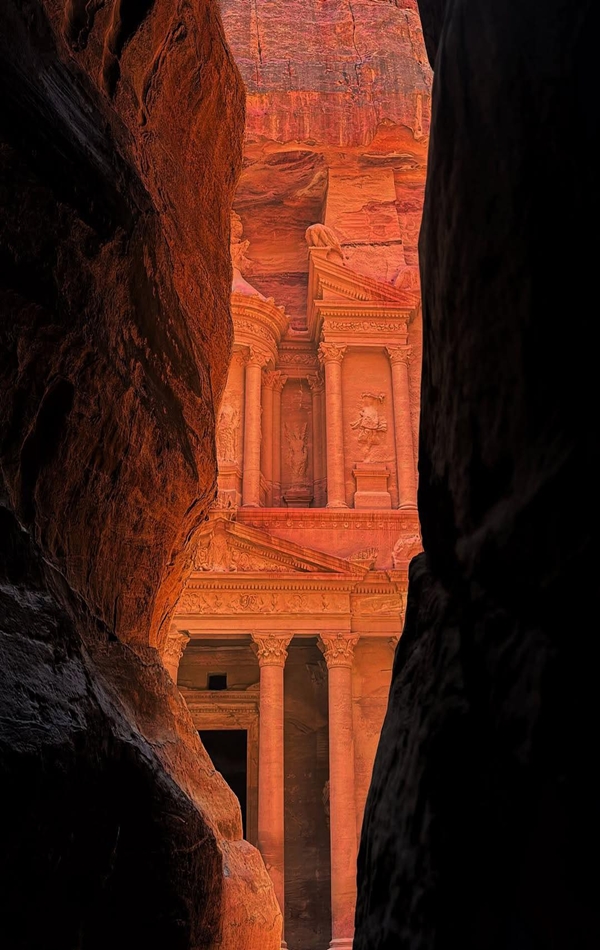
Archaeological sites are not backdrops that can absorb unlimited contact. Petra’s official visitor tips ask people not to harm natural or archaeological elements, to keep off monuments, use bins, use licensed transport within Petra and stay on main trails unless accompanied by a guide.
Do not remove, mark or trade heritage
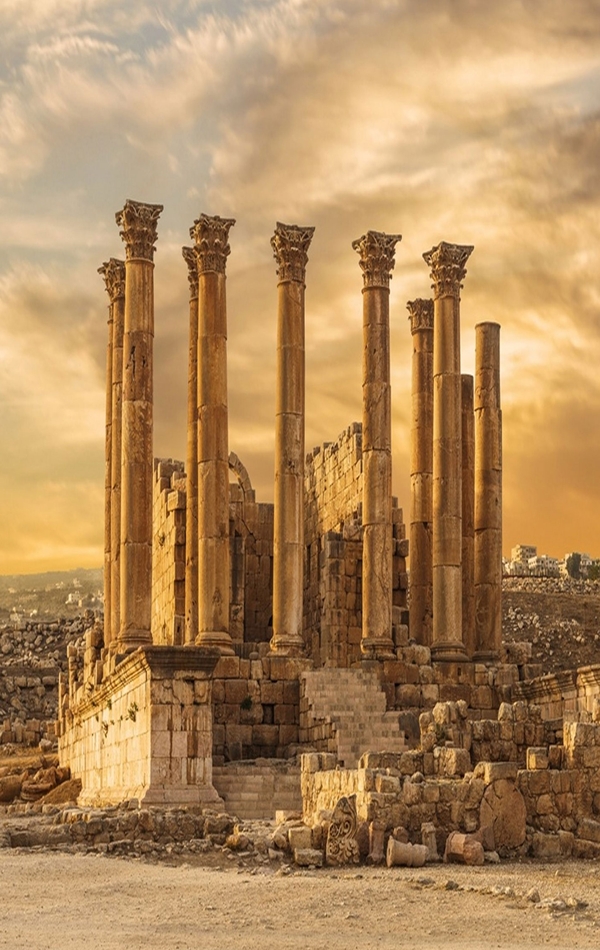
Do not scratch names, add paint, stack stones, move fragments or take rocks, pottery, coins or plants. Do not buy items presented as antiquities: the official Petra guidance warns that authenticity cannot be verified and purchasing can contribute to harmful practices. If an object appears important, leave it in place and notify site staff.
Photography and drones
Respect “no photography” signs, people who do not wish to be photographed and restrictions around sensitive areas. Drone operation is not automatically permitted simply because a location is outdoors. Confirm current aviation and site permission before carrying or operating equipment, and never fly in a way that disturbs visitors, communities or wildlife.
Petra’s Five Promises connect visitor behaviour with local benefit, fair work, cultural respect, heritage protection, less plastic and waste, and careful use of water. For a deeper understanding of the people and traditions that give these places meaning, read Living Heritage in Jordan.
Protect Aqaba’s coral reefs and marine life
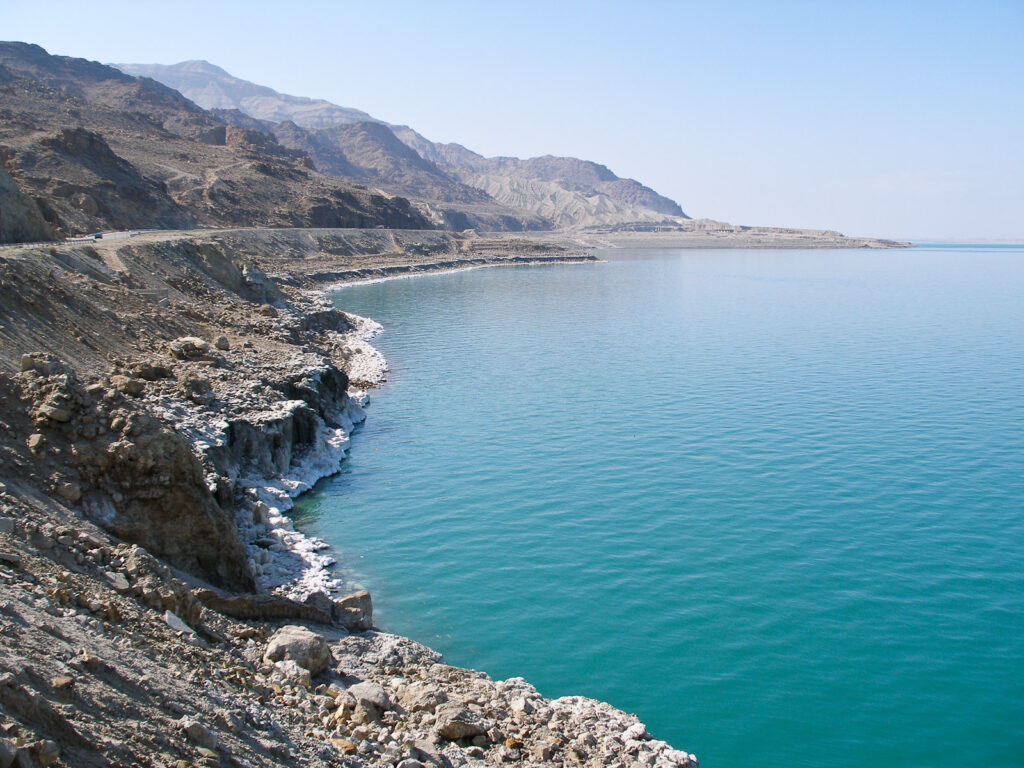
The Gulf of Aqaba’s coral and marine habitats require different conduct from a desert or archaeological site. The official Aqaba Marine Reserve guidance asks visitors not to collect or break marine organisms, stand on coral reefs, fish within the protected reserve, light fires on the beach or leave waste outside designated containers.
- Enter and leave the water without stepping on coral.
- Maintain buoyancy and keep fins and equipment away from the reef.
- Do not touch, chase, feed or collect marine life.
- Use registered diving and activity providers and follow the reserve briefing.
- Secure loose equipment and waste so it cannot enter the sea.
- Report damage, pollution or unsafe activity to the operator or reserve authority.
ASEZA’s Marine Environment Protection Directorate is responsible for protecting coastal and marine resources and guiding visitor activity. Check its current information and reserve boundaries before relying on an older map or informal advice. The Quest Aqaba guide provides broader destination context.
Support communities without turning culture into a product
Responsible local spending is transparent and respectful. Choose locally owned services and authentic goods where possible, ask before photographing people or private spaces and listen to hosts’ guidance about dress, behaviour and sacred places. Avoid pressing people to perform, reveal personal stories or provide access that they have not freely offered.
For businesses and groups, local benefit should be designed rather than assumed. Ask who supplies food and crafts, who is employed, whether guides are appropriately licensed and how complaints are handled. Protect personal and community information when promoting an experience; permission for one visit does not automatically grant permission for permanent marketing use.
How to assess environmental claims
Terms such as “eco-friendly”, “sustainable” and “community based” need evidence. A responsible supplier should be able to explain concrete practices, limitations and who verifies them. Travellers do not need to audit every operation, but a few clear questions reduce the risk of repeating unsupported claims. Our editorial, sourcing and corrections policy explains the wider standard used for public Quest content.
- Which environmental impacts are measured or managed?
- What water, energy and waste practices are in place?
- Is a certification current, independent and relevant to the claimed activity?
- How are local people involved and compensated?
- What happens when visitor numbers or weather create pressure?
- How can a guest report a concern or receive a correction?
Quest Travel Jordan does not describe a service as certified, carbon neutral or conservation-positive without evidence that supports that exact claim. Where an operator or authority controls the rule, the live official source takes precedence.
Responsible planning for travel professionals and groups
DMCs, tour operators, schools, companies and event planners influence visitor behaviour through supplier selection and briefing. A short, place-specific briefing is more useful than a long generic promise. It should identify the protected feature, prohibited conduct, approved access, emergency contact and waste plan.
- Use licensed and appropriately insured operators.
- Match group size and timing to the site’s current capacity and instructions.
- Brief guides and travellers before arrival, not after a rule is broken.
- Provide suitable water and waste arrangements.
- Plan accessible participation without damaging protected areas.
- Record and escalate incidents to the responsible authority.
- Review marketing photographs and claims for accuracy and consent.
Frequently asked questions
Can visitors take rocks or natural souvenirs from Jordan’s sites?
Do not remove rocks, plants, fossils, pottery, coins, coral or other natural or archaeological material from protected places. Leave an object where it is and ask the responsible site authority when uncertain.
Is it acceptable to feed wildlife?
No. Feeding can harm animals, change their behaviour and create unsafe contact. Observe quietly from the distance required by the ranger, guide or site rule.
Can travellers walk off trail for a photograph?
Use designated paths and viewpoints. A short step off route can damage plants, soils or heritage and may expose the traveller to a fall or restricted area.
How can a traveller support local communities?
Choose transparent locally owned services and authentic products, use licensed local expertise, ask before photographing people and respect the terms set by hosts and communities.
Plan a lower-impact Jordan journey with evidence
Responsible travel is not about claiming perfection. It is about making informed choices, following official rules, reducing avoidable harm and correcting course when conditions change. For wider preparation, review Jordan Travel Tips. To discuss private transport, suitable suppliers and place-specific visitor briefings, contact Quest Travel Jordan.