


Jordan travel tips are most useful when they help you make confident decisions before arrival and avoid unnecessary friction during the journey. Jordan is welcoming and straightforward to explore with good preparation, but distances, climate, walking conditions and local customs can affect the comfort of each day.
This practical guide focuses on entry preparation, money, transport, clothing, health, connectivity and destination-specific logistics. For help choosing the places to include, read our Jordan guide for first-time visitors.
Before travelling to Jordan
Check passport and entry requirements
Entry and visa rules depend on nationality, passport type, residence status and arrival point. Confirm the requirements that apply to every traveller through the relevant Jordanian authority or embassy before departure. Use our Jordan entry requirements and visa guide for the official-source process and border-specific checks. Airlines may also request evidence of onward travel or other documents during check-in.
Our Jordan Pass guide explains how the official product works, which attractions participate and the conditions connected with its entry benefit. Do not buy it automatically: compare the current rules with your nationality, length of stay and planned sightseeing.
Keep travel documents accessible
- Carry a passport copy separately from the original.
- Save accommodation, flight, insurance and transfer details offline.
- Share your arrival time and flight number with the transport provider.
- Check that names on bookings match the passports.
Money, cards and everyday payments
Jordan uses the Jordanian dinar. Cards are widely accepted in many hotels, restaurants and larger shops, but cash remains useful for small purchases, tips, local cafés and places with unreliable terminals. Carry a practical mix rather than relying on one payment method.
Use established banks or clearly identified cash machines, keep small denominations available and check your bank’s foreign transaction rules before travelling. When a terminal offers to charge in your home currency, review the exchange rate before accepting. Avoid carrying more cash than you need for the day.
Tipping and bargaining
Tipping is appreciated for good service but should remain connected to the service received. Restaurants may add a service charge, so check the bill before adding more. In markets, friendly bargaining can be normal; in supermarkets, pharmacies and formal shops, displayed prices are generally fixed.
Transport and realistic journey times
Jordan’s main visitor route is compact, but map distance does not tell the whole story. City traffic, rest stops, mountain roads, site entrances and luggage handling all add time. Avoid combining a long transfer with a demanding Petra visit or a late desert arrival.
Private transport
Pre-arranged private transport is the easiest option for travellers who value dependable timings, luggage assistance and flexibility. Confirm whether the service includes an English-speaking driver, airport meeting assistance, waiting time and changes to the planned route. A driver is not automatically a licensed site guide. Compare vehicles, coaches, taxis, self-drive travel and access questions in our getting around Jordan guide.
Self-driving
Travellers considering a rental car should confirm licence, insurance, deposit, fuel and roadside-assistance conditions directly with the rental company. Driving styles, road lighting and urban parking may differ from home. Do not rely on mobile navigation without downloading offline maps, and avoid unplanned night driving in unfamiliar rural areas.
Clothing and cultural etiquette
Jordan is diverse and visitors will see different styles of dress, especially between Amman, resorts, rural communities and religious sites. Comfortable, modest clothing is the most versatile choice. Light layers that cover shoulders and knees work well for many visits, while swimwear belongs at pools and designated beach areas.
- Carry a light scarf for sun, dust or religious visits.
- Ask before photographing people.
- Use the right hand when offering or receiving food when practical.
- Accept tea or coffee graciously when visiting a home or community.
- During Ramadan, follow local guidance and be discreet with daytime eating or drinking in public areas.
Hospitality is an important part of Jordanian life. A patient, respectful approach is more valuable than trying to memorise every custom.
Food, water and personal health
Jordanian food is well suited to sharing. Tell Quest, the hotel and each restaurant about allergies or dietary requirements in clear language; do not assume a buffet label covers cross-contamination. Bottled or properly filtered water is the simplest choice for most visitors, and regular hydration matters in every season.
Travel insurance should match the planned activities, particularly if they include hiking, canyoning or other adventure activities. Bring prescribed medicine in its original packaging with the documents required for travel. Medical needs are personal, so obtain professional advice before departure rather than relying on a general travel article.
Sun, heat and walking
Sun exposure can be strong even when the air feels cool. Pack high-factor sunscreen, a hat and refillable water bottle. Comfortable closed shoes with grip are more useful than fashion footwear at archaeological sites. Build rest into the daily pace instead of waiting until someone is exhausted.
Weather and what to pack
Jordan has meaningful regional differences: Amman and Petra sit at elevation, the Dead Sea is much lower, Aqaba is usually warmer and Wadi Rum can have large day-to-night changes. Review our month-by-month Jordan weather guide and check the Jordan Meteorological Department forecast shortly before travel.
Useful year-round packing list
- Layered clothing and a warm outer layer for cool evenings.
- Comfortable walking shoes and spare socks.
- Sun protection and a reusable water bottle.
- A small day bag that closes securely.
- Personal medicine and a compact first-aid kit.
- A universal travel adapter and charging cable.
- A waterproof layer in the cooler months.
Phones, internet and electricity
Confirm roaming charges before leaving home. A local SIM or eSIM can be practical for navigation and communication, but coverage may weaken in remote desert and nature areas. Download tickets, maps and essential telephone numbers before long travel days.
Socket types can vary between properties, so a universal adapter is safer than assuming one plug type. Charge devices before Wadi Rum excursions and carry a power bank if photography or navigation is important.
Practical advice for Jordan’s main destinations
Petra
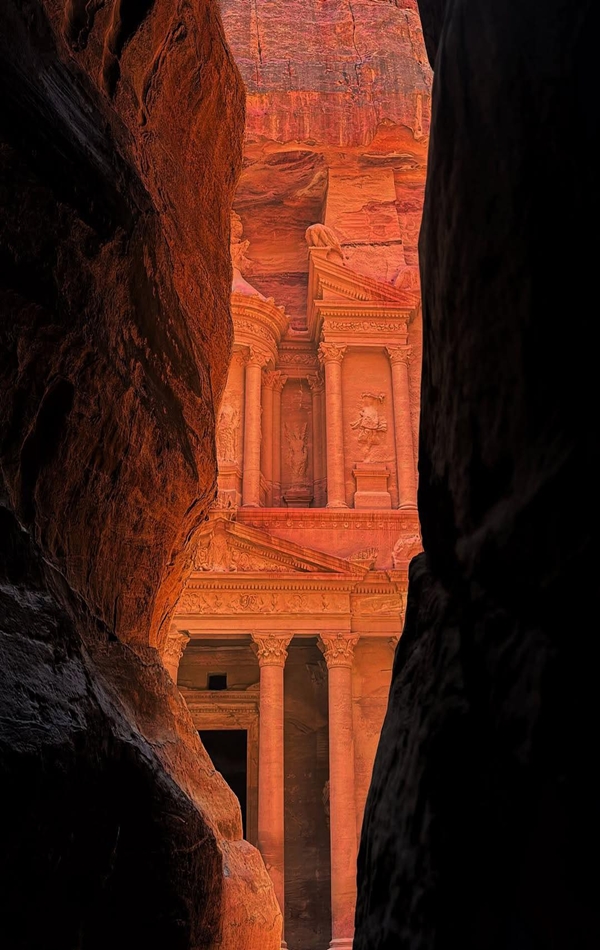
Petra involves uneven ground, steps and substantial walking. Start early, carry water and agree with the guide how far you want to continue beyond the Treasury. A second night in Wadi Musa makes the day less rushed. See our complete Petra visitor guide.
Wadi Rum
Confirm whether the camp has private bathrooms, heating or cooling, and how luggage reaches the accommodation. Desert temperatures change quickly and sand can affect cameras and electronics. Read the Wadi Rum planning guide.
Dead Sea
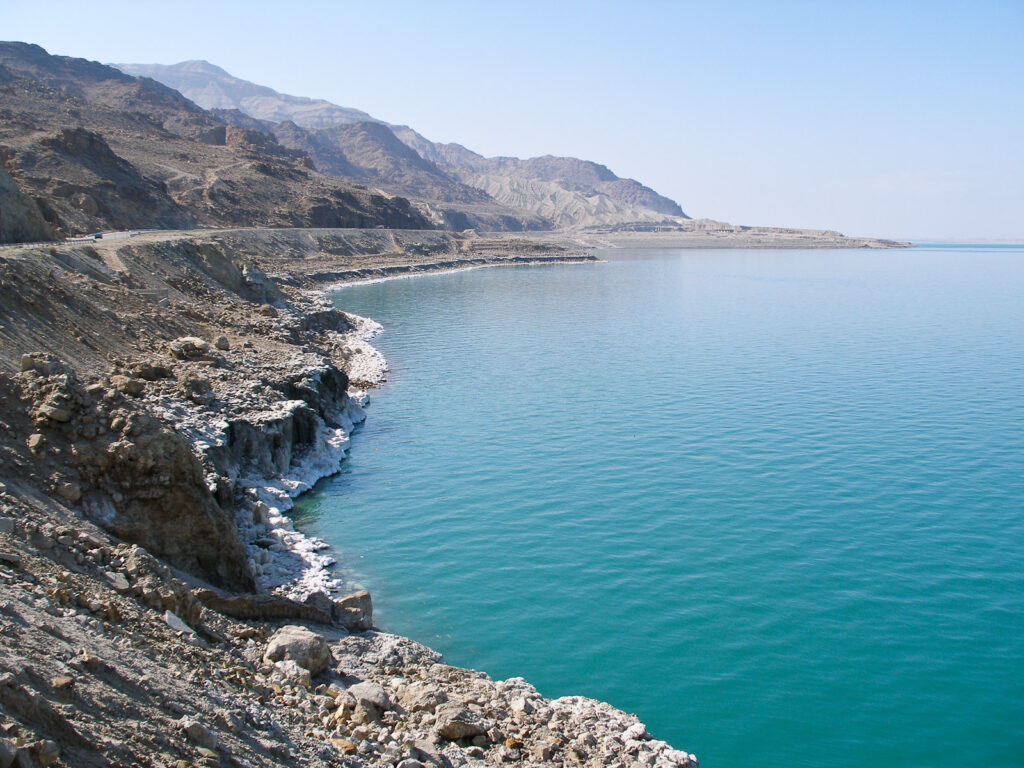
Keep highly saline water away from eyes and fresh cuts, float for short periods and rinse with fresh water afterwards. Water shoes can help on rough shorelines. Our Dead Sea guide explains the experience in more detail.
Amman and Jerash
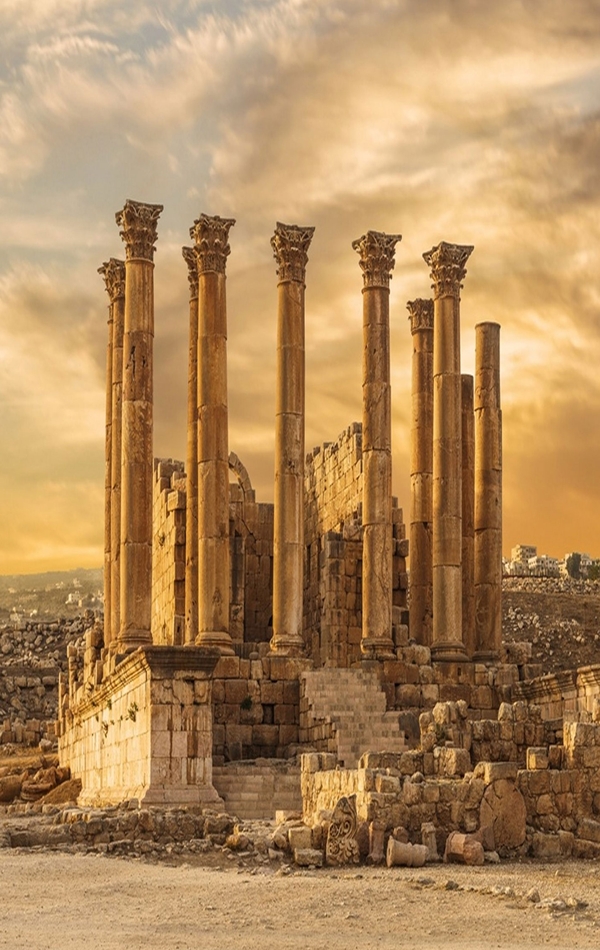
Allow for Amman traffic and wear shoes suitable for steep streets. Jerash is exposed and can be hot, so morning visits are often more comfortable. Use the Amman city guide and Jerash visitor guide when planning the north.
Safety and responsible travel
Conditions and official advice can change. Check the travel advice issued for your nationality, follow local authority guidance and keep your local support contacts available. Do not enter restricted areas or photograph military, security or border installations.
Support local communities by buying directly from responsible businesses, asking permission before photographing people and avoiding damage to archaeological or natural sites. Carry rubbish out of remote areas and follow the guide’s instructions on marked trails.
A practical final checklist
- Passport and current entry requirements confirmed.
- Travel insurance matched to planned activities.
- Airport transfer and first-night hotel reconfirmed.
- Cash, cards and bank travel settings prepared.
- Seasonal clothing and walking shoes packed.
- Dietary, mobility and medical needs communicated.
- Offline documents, maps and emergency contacts saved.
- Realistic travel times built into the travel plan.
Plan Jordan with local support
Good preparation should make the journey feel easier, not more complicated. Quest Travel Jordan designs private, tailor-made programmes with dependable transport, carefully selected accommodation and pacing that reflects each traveller’s priorities.
Compare our Tailor-Made Jordan Tours, explore private Jordan tours, or contact Quest Travel Jordan for a personalised plan.