


The best time to visit Jordan depends on the experiences you want, the regions you plan to explore and your preferred balance between weather, availability and visitor numbers. Spring and autumn usually offer the most comfortable touring conditions, but winter can reward flexible travellers with quieter sites, while summer works when days are carefully timed.
Jordan has several climates within a compact country. Amman and Petra sit at elevation and can be much cooler than Aqaba or the Dead Sea. Wadi Rum has strong day-to-night temperature changes, and winter weather can affect higher roads. Treat any temperature as a guide and check the Jordan Meteorological Department forecast shortly before travel.

There is no single perfect month for every traveller. The best choice comes from matching the season to your priorities, pace and journey.
Jordan seasons at a glance
| Season | Typical conditions | Best for | Planning note |
|---|---|---|---|
| Spring March–May |
Mild to warm days; greener northern landscapes | Classic touring, hiking, photography | High demand around popular dates; book early |
| Summer June–August |
Hot in Petra, Wadi Rum, Dead Sea and Aqaba | Early-start touring, Red Sea stays, lower-demand travel | Protect midday hours and pace outdoor visits carefully |
| Autumn September–November |
Hot at first, then increasingly comfortable | Multi-stop journeys, desert nights, private tours | October is popular; availability can tighten |
| Winter December–February |
Cool to cold at elevation; milder in Aqaba and the Dead Sea | Quieter sites, culture, flexible travellers | Allow for rain, wind, cold nights and occasional route changes |
Spring in Jordan: March to May
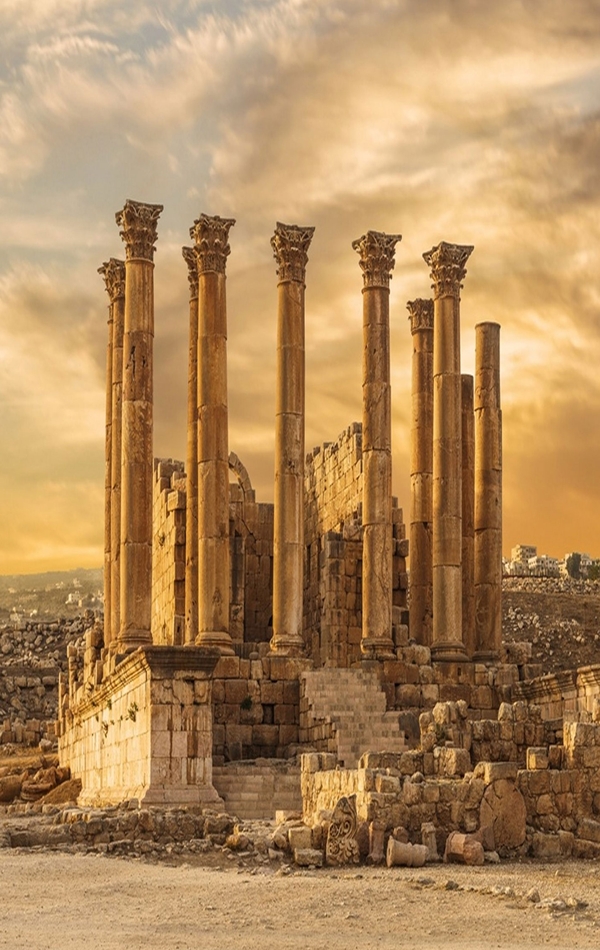
Spring is often considered the best overall season for a first journey. Days are generally comfortable for walking in Petra and Jerash, northern hills can be green, and outdoor plans are easier to balance. Weather remains changeable, especially in March, so layers and a light waterproof jacket are useful.
March
March marks the transition from winter. Some days feel mild and bright, while rain, wind or cold evenings remain possible. It suits travellers who accept variation in exchange for a fresher landscape and potentially quieter conditions than later spring.
April
April is a popular touring month. Temperatures are often comfortable across the classic route, but holidays and high demand can affect hotels and specialist guides. Book private services early and avoid building a travel plan that depends on exact weather every day.
May
May becomes warmer, especially at the Dead Sea, Wadi Rum and Aqaba. Earlier starts help at walking sites, while evenings can still be pleasant. It is a strong choice for travellers who prefer warmth without the peak heat of midsummer.
Summer in Jordan: June to August
Summer is hot, particularly in low-lying areas and the south, but a private journey can still work. The key is timing: explore outdoor archaeological sites early, use shaded or indoor hours around midday, choose suitable hotels and avoid overloading the programme.
June
June is dry and increasingly hot. Early morning touring in Petra and Jerash becomes important. Amman evenings can be comfortable, and Aqaba is suited to travellers who actively enjoy high temperatures and Red Sea time.
July
July is among the hottest periods. Walking-intensive days need conservative pacing, water, sun protection and transport positioned intelligently. It may offer better availability than spring, but comfort should not be sacrificed for a long checklist of sites.
August
August remains hot and can coincide with regional and international holiday demand. Wadi Rum activities should favour early morning and late afternoon. At the Dead Sea, outdoor time is best managed outside the strongest midday heat.
Autumn in Jordan: September to November
Autumn starts warm and gradually becomes one of the most comfortable seasons for a full-country journey. Desert nights are appealing, sea temperatures remain inviting and walking conditions generally improve as the season advances.
September
September can still feel like summer, especially in Aqaba, Wadi Rum and the Dead Sea. It suits travellers who want warm weather and can schedule active visits early in the day.
October
October is one of the most requested months. Conditions are often well balanced for Amman, Petra, Wadi Rum and the Dead Sea, making it suitable for private Jordan tours. Popular room categories and guides should be secured early.
November
November brings cooler evenings and a higher chance of rain as the month progresses. It can be an excellent time for travellers who prefer milder daytime conditions and do not mind carrying layers.
Winter in Jordan: December to February
Winter is often misunderstood. Amman, Petra and highland areas can be genuinely cold, with rain, wind and occasional snow or road disruption. Aqaba and the Dead Sea are milder, though not guaranteed beach-weather every day. A flexible route and suitable clothing are essential.
December
December combines cooler touring with festive-season demand. Days are short, so departure times matter. Petra can be atmospheric in winter light, but travellers should prepare for cold mornings and evenings.
January
January is typically one of the coldest months at elevation. It rewards travellers interested in culture and quieter sites rather than guaranteed warmth. Keep an alternative plan for any weather-sensitive route or activity.
February
February remains wintry but begins the transition toward spring. Weather can vary sharply from one week to the next. It can work well for flexible travellers who value space and do not expect every outdoor element to operate unchanged.
Best time for Petra
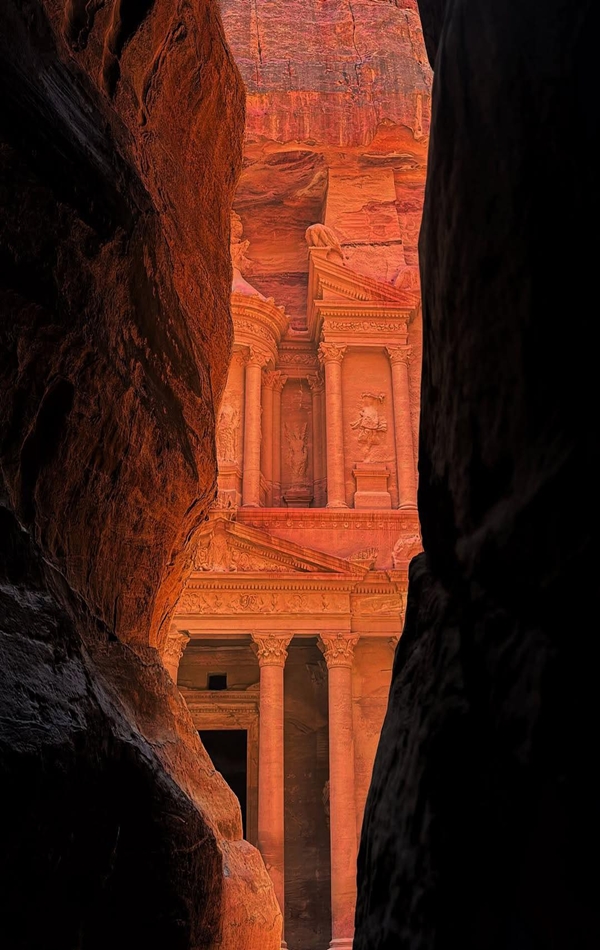
Petra involves substantial walking, so spring and autumn generally provide the easiest conditions. In summer, start early and plan shade, rest and water. In winter, prepare for cold, rain and shorter daylight. Flash-flood warnings must always be taken seriously; official closures and local safety instructions override the planned route.
A private licensed guide and a realistic route are more important than trying to see every trail in one day. Travellers with time may benefit from two visits rather than one exhausting schedule.
Best time for Wadi Rum
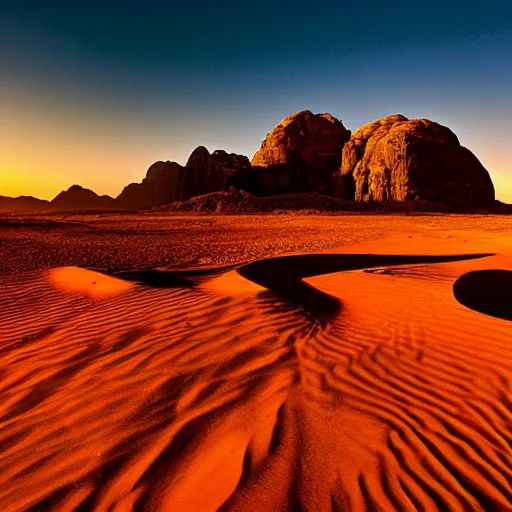
Wadi Rum is comfortable for many travellers in spring and autumn, with cooler nights than the day. Summer requires early and late activity windows, while winter nights can be very cold. Camp quality matters in every season: heating, cooling, bedding, bathroom standards, food and vehicle access vary.
Wind and visibility can affect desert activities. The programme should stay flexible, and any overnight camp should be selected for both atmosphere and operational standards.
Best time for the Dead Sea and Aqaba
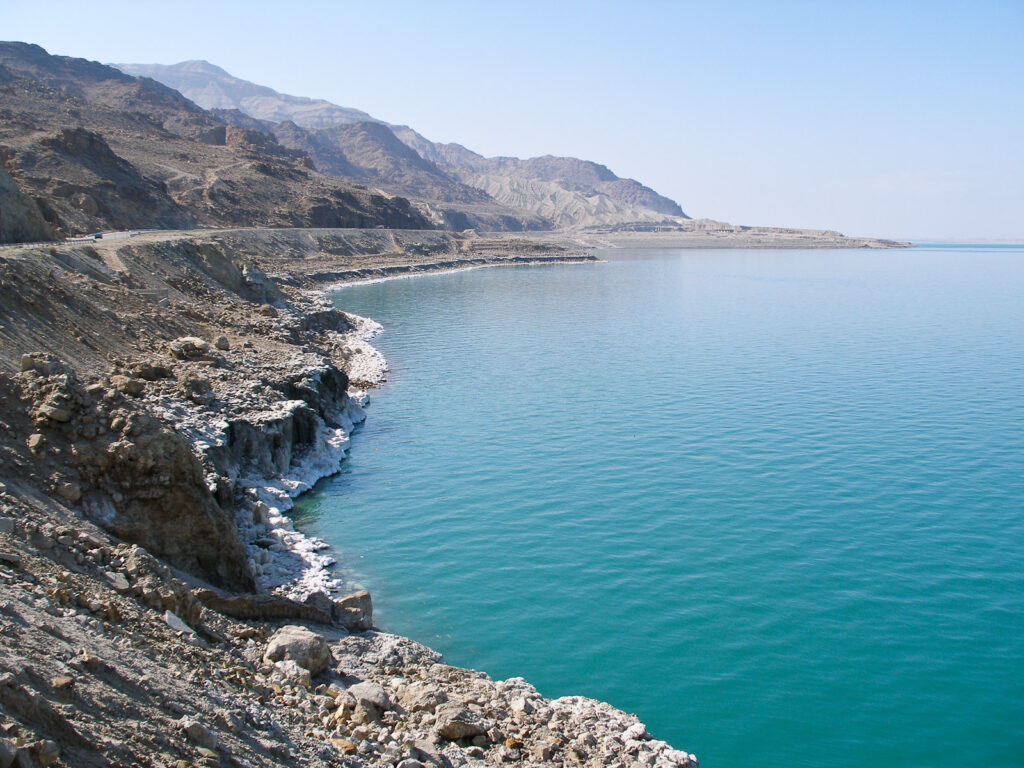
The Dead Sea and Aqaba are warmer than Amman and Petra. Spring and autumn suit travellers who want to combine water and touring. Summer is very hot but appeals to heat-seeking resort guests, while winter can be mild and pleasant on some days without guaranteeing swimming weather.
For diving, snorkelling or boat activities in Aqaba, select licensed operators and confirm sea conditions close to the date. Weather and operational safety should guide the final schedule.
Best time by traveller type
- First-time visitors: April, May, October and early November often offer a balanced classic route, subject to availability.
- Families: spring and autumn reduce exposure to extreme heat; school-holiday timing may require early booking.
- Hikers: spring and autumn are usually preferred, but trails depend on local conditions, permits and weather.
- Photographers: every season offers different light; winter and shoulder periods may provide quieter scenes.
- Luxury travellers: choose the dates that secure preferred hotels, camps and guides, not weather alone. See our luxury travel Jordan guide.
- MICE and incentive groups: spring and autumn are popular, but venue capacity and delegate comfort determine the practical window. Explore Jordan incentive travel.
Ramadan, public holidays and busy periods
Ramadan follows the lunar calendar and moves earlier each year. Jordan remains open to visitors, but some opening hours, restaurant patterns, traffic and service timings may change. Travellers should dress and behave respectfully, while a local operator confirms the current practical arrangements.
Eid periods, Easter, Christmas, school holidays, conferences and major events can affect availability and transport. Exact dates and operational impact change, so they should be checked for the travel year rather than assumed from an old calendar.
What to pack by season
- Year-round: comfortable walking shoes, sun protection, refillable water bottle and modest clothing for cultural sites.
- Spring and autumn: light layers, a warmer evening layer and rain protection.
- Summer: breathable clothing, strong sun protection and a light cover for air-conditioned spaces.
- Winter: warm layers, waterproof outerwear and suitable footwear for cold or wet conditions.
- Wadi Rum overnight: an extra evening layer in every season because desert temperatures fall after sunset.
Frequently asked questions
Choose the best dates for your Jordan journey
Share your preferred dates, interests, party profile and tolerance for heat or cold. Quest Travel Jordan can recommend a realistic route and pace, with current advice for hotels, camps, guides and seasonal activities.
Contact Quest Travel Jordan to plan a private journey for the season that suits you.