


Quick answer: seven days is enough for a rewarding first journey through Jordan when the route follows a clear north-to-south flow. A balanced itinerary begins in Amman, adds Jerash, crosses the central heritage corridor around Madaba and the Dead Sea, gives Petra the time it deserves, and finishes in Wadi Rum with an optional Aqaba extension.
This plan is a framework, not a fixed package. Flight times, season, mobility, family needs and the preferred pace should shape the final programme. The goal is to experience Jordan with depth while avoiding unnecessary backtracking.
Jordan 7-day itinerary at a glance
- Day 1: arrival and a gentle introduction to Amman
- Day 2: Amman and Jerash
- Day 3: Madaba, Mount Nebo and the Dead Sea
- Day 4: the historic road south to Petra
- Day 5: a full day inside Petra
- Day 6: Wadi Rum and a desert overnight
- Day 7: Aqaba, a relaxed return north or departure
Jordan has multiple UNESCO World Heritage properties, including Petra and Wadi Rum. A seven-day route cannot include everything, so good planning protects time at the most meaningful places instead of turning the journey into a checklist.
Day 1: arrive in Amman and settle into Jordan
After arrival at Queen Alia International Airport, keep the first day deliberately light. Transfer to Amman, settle into the hotel and use the available time for a neighbourhood walk, a relaxed Jordanian meal or an early night.
If the flight arrives early, a short visit to the Citadel or downtown can introduce the city’s layered history without committing to a full sightseeing day. Our Amman destination guide explains the main experiences and how to pace them.
Day 2: Amman and Jerash
Begin with the Amman Citadel, the Roman Theatre and the streets of the old centre. The capital makes more sense when visitors see its ancient landmarks beside its modern neighbourhoods, food culture and daily life.
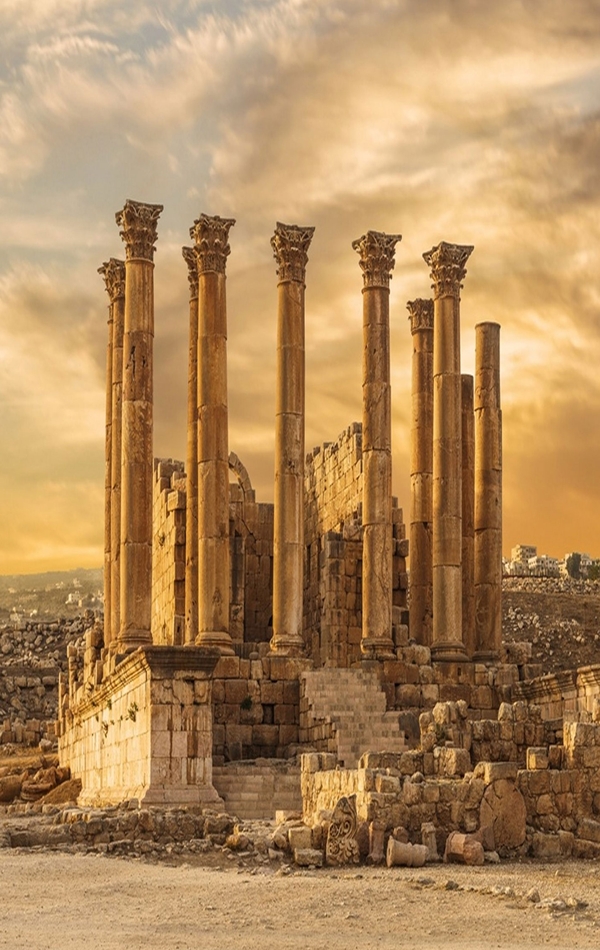
Continue north to Jerash. Its colonnaded streets, theatres, plazas and monumental gateways reward an unhurried walk. Depending on interests and daylight, the day can remain focused on Amman and Jerash or include a brief northern viewpoint. Return to Amman for the night.
Day 3: Madaba, Mount Nebo and the Dead Sea
Travel south-west from Amman to Madaba, known for its mosaic heritage and long religious history. Continue to Mount Nebo for wide views across the Jordan Valley. Travellers interested in pilgrimage history may also consider the Baptism Site, provided opening hours and the day’s pace are checked in advance.
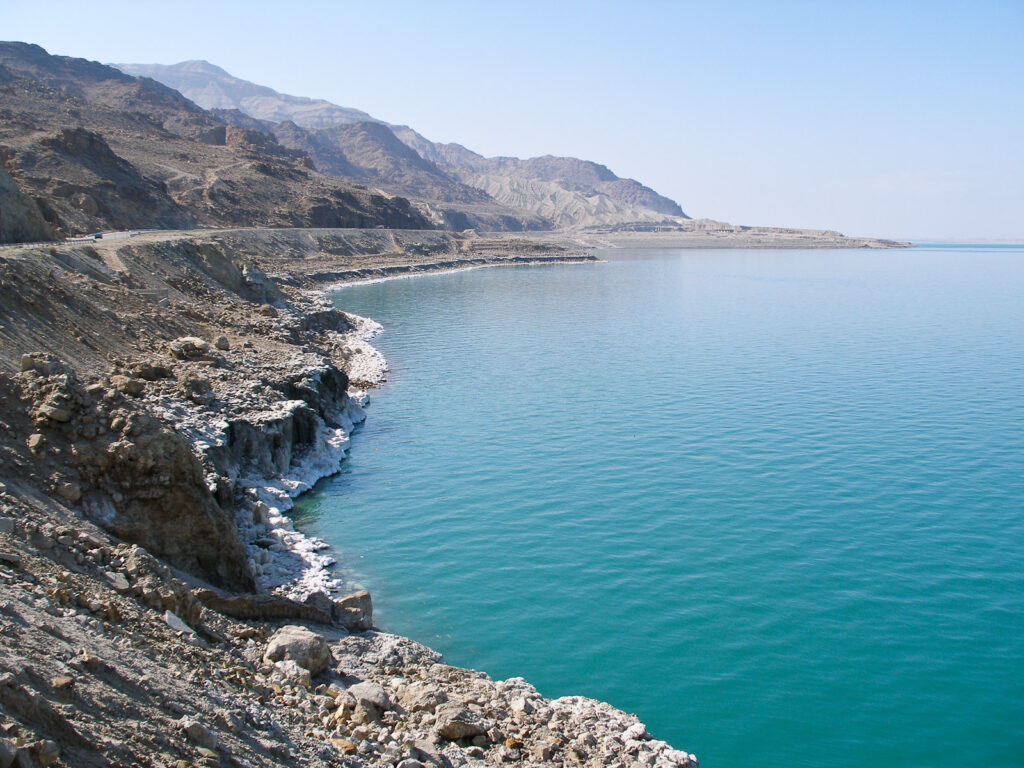
Finish beside the Dead Sea. This day works best when sightseeing is balanced with time to rest. An overnight by the water reduces driving and creates a quieter transition before the journey south.
Day 4: travel south to Petra
The transfer to Petra should be treated as part of the journey, not simply a drive. Depending on the season and preferred pace, the route may follow sections of the historic King’s Highway and include one carefully chosen stop. Trying to add every castle and viewpoint usually produces a rushed arrival.
Reach Wadi Musa with time to settle in and prepare for the following day. Evening options should remain flexible. Petra’s official schedules and special activities can change, so check the official Petra visitor information close to travel.
Day 5: give Petra a full day
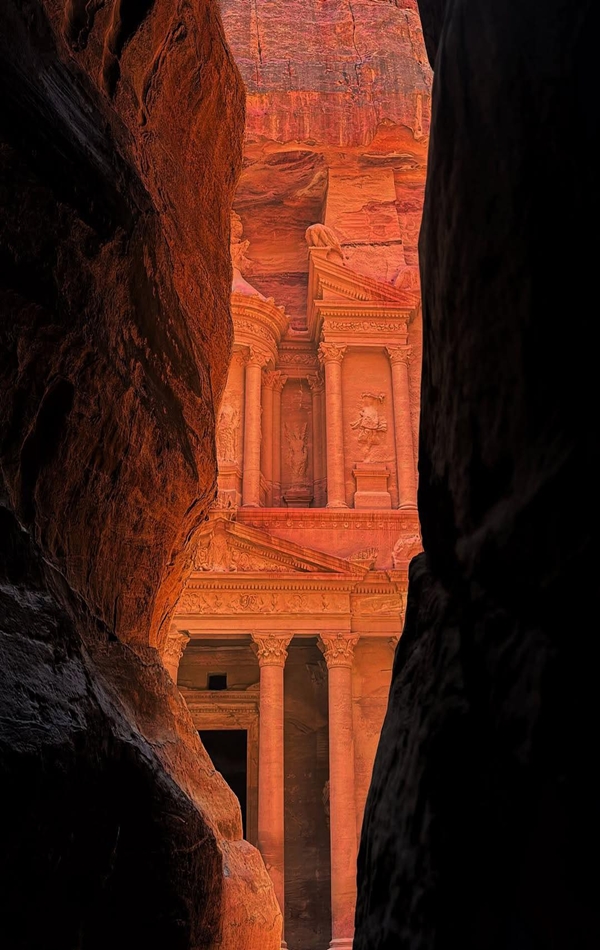
Enter Petra early and walk through the Siq towards the Treasury. The Treasury is the famous first view, but it is not the whole site. The Street of Facades, theatre, Royal Tombs and main basin reveal much more of the Nabataean city.
Visitors with the time and ability may continue towards the Monastery or another approved trail. Walking distances, heat and elevation should be considered honestly. A licensed guide can provide valuable context, while free time allows photography and exploration at a comfortable pace. See the Quest Petra guide before deciding how ambitious the day should be.
Day 6: Wadi Rum and the desert night
Travel from Petra to Wadi Rum, a UNESCO-listed mixed natural and cultural landscape. Explore with an authorised local desert operator and agree the route, duration and mobility requirements beforehand.
The most memorable programme is not necessarily the longest. Time among the sandstone mountains, inscriptions, open valleys and desert light matters more than rushing between photo stops. An overnight creates space for sunset, dinner and the quiet of the desert after day visitors leave.
Day 7: choose Aqaba, a relaxed return or departure
The final day depends on the flight and the traveller’s priorities. With a late departure or an extra night, continue to Aqaba for the Red Sea. Travellers returning to Amman can instead leave Wadi Rum after breakfast and build in a generous airport margin. A slower programme may omit Aqaba and use the time for Petra, the Dead Sea or Amman.
This flexibility is important: a good itinerary serves the traveller rather than forcing every destination into seven days.
How to adapt this itinerary
For culture and archaeology
Keep Jerash, Madaba and the full Petra day. Reduce beach time and add only one meaningful historic stop on the road south.
For families
Shorten long sightseeing blocks, schedule regular breaks and choose experiences suitable for the children’s ages. Avoid stacking a long road journey and a demanding Petra walk on consecutive days without recovery time.
For private luxury travel
Use private transfers, carefully selected guides and hotels that reduce unnecessary movement. Add one or two distinctive experiences rather than filling every hour. Explore our approach to private Jordan tours.
For active travellers
Allow extra time for Petra trails or a longer Wadi Rum experience. Seasonal hikes and canyon activities require separate safety, weather and operator checks and should never be added as an afterthought.
Practical planning before you travel
- Review the latest Jordan entry requirements for the traveller’s passport and arrival point.
- Check whether the Jordan Pass suits the itinerary, using the official conditions before purchase.
- Use our best time to visit Jordan guide to adapt daily timing for heat, daylight and seasonal conditions.
- Confirm Petra hours, trail access and any special evening programme close to the visit.
- Keep realistic buffers for airport transfers, rest stops and route changes.
- Tell the planner about mobility, dietary or accessibility needs before services are confirmed.
Frequently asked questions
Is seven days enough for Jordan?
Yes. Seven days can cover Amman, Jerash, Madaba, the Dead Sea, Petra and Wadi Rum at a balanced pace. Aqaba is possible when flight times and energy allow, but it should remain optional.
How many nights should I spend in Petra?
Two nights normally protect a full sightseeing day and avoid treating Petra as a rushed stop between long drives.
Should I drive or use a private driver?
Both can work. Self-driving offers independence, while a private driver reduces navigation and parking concerns and allows the route to be coordinated with guides, hotels and arrival times.
Can this route work for families or older travellers?
Yes, when walking distances, breaks, hotel locations and vehicle comfort are adapted in advance. Petra is the main day that requires realistic mobility planning.
Do I need to book everything in advance?
Key hotels, guides, transport and desert services should be arranged early for high-demand periods. Keep the daily rhythm flexible enough to respond to weather, energy and local conditions.
Plan a seven-day Jordan journey with local support
Quest Travel Jordan designs private itineraries around real arrival times, interests, pace and service needs. Contact our Amman team with your dates, flight details, number of travellers and priorities, and we will shape a practical route rather than a generic checklist.
Reviewed 28 August 2026. Always verify official entry, site and operating information close to travel.