


Jordan pilgrimage tours bring biblical history, Christian tradition and living communities together in a landscape that rewards unhurried attention. For pilgrims, clergy, church groups and families, the value of Jordan is not simply the number of sacred places. It is the opportunity to understand their meaning, leave space for prayer and experience them with respectful local coordination.
This guide explains the spiritual context of Jordan’s principal Christian sites and the practical questions that help a pilgrimage feel calm, purposeful and well supported. Quest Travel keeps detailed tour programmes in the Jordan Tours collection, while this article focuses on the decisions that shape a meaningful faith journey.
Why Jordan belongs in a biblical pilgrimage
Jordan stands on the eastern side of the Jordan River and forms part of the biblical geography shared by generations of Jewish and Christian tradition. The country includes places associated with the ministry of Jesus, the final days of Moses, the story of John the Baptist and the development of early Christian communities.
That history is visible in archaeological remains, churches, mosaic floors, pilgrimage paths and places of worship that continue to welcome visitors. The UNESCO World Heritage listing for the Baptism Site records both the archaeological evidence at Al-Maghtas and its continuing significance as a place of pilgrimage. Jordan’s official Biblical Sites guide provides further background on the country’s sacred heritage.
Sacred places and their spiritual meaning
Bethany Beyond the Jordan
Bethany Beyond the Jordan, also known as Al-Maghtas, is recognised by major Christian traditions as the place where Jesus was baptised by John the Baptist. Archaeological remains include churches, chapels, baptismal pools and spaces connected with monastic life. The setting invites quiet reflection, and many groups value time beside the river as much as the formal site interpretation.
A well-prepared visit should allow the group leader to decide how much time is needed for scripture reading, prayer or silent reflection. Liturgical arrangements and access requirements should be confirmed in advance rather than assumed.
Mount Nebo
Mount Nebo is associated with Moses looking across toward the Promised Land. The elevated setting, the Memorial Church of Moses and the surviving mosaics give the site both biblical and archaeological importance. On a clear day, the view across the Jordan Valley helps pilgrims understand the scale and geography of the landscape described in scripture.
The emotional character of Mount Nebo varies from group to group. Some visitors approach it as a place of fulfilment and farewell; others focus on Moses, leadership and faith. A guide who understands the group’s tradition can provide context without crowding the moment.
Madaba and the mosaic map
Madaba’s Christian heritage is most famously represented by the mosaic map in the Church of Saint George. Created in the Byzantine period, the map depicts Jerusalem and other places across the Holy Land. It helps visitors see how early Christian communities understood sacred geography and connected places of faith across the region.
Madaba is also a living town rather than an isolated monument. Its churches, craft traditions and local community add valuable human context to the archaeological story. Pilgrims benefit when interpretation includes both the historic mosaics and the continuity of Christian life in Jordan.
Mukawir and the story of John the Baptist
Mukawir, historically known as Machaerus, is traditionally associated with the imprisonment and death of John the Baptist. The hilltop remains open a broad view over the surrounding landscape and offer a powerful setting for scripture, reflection and historical interpretation.
The terrain is more demanding than at many urban sites. Groups should consider mobility, footwear, weather and the time required for a comfortable visit before deciding whether it suits every participant.
Further Christian heritage
Jordan’s Christian story extends beyond its best-known pilgrimage landmarks. Depending on a group’s interests, its wider context may include churches and archaeological remains in Amman, the Decapolis cities, northern Jordan and places associated with the prophet Elijah and early Christian communities. These additions should support the spiritual purpose of the journey, not turn the experience into a checklist.
Respecting different Christian traditions
Catholic, Orthodox, Anglican, Protestant and ecumenical groups may approach the same place with different devotional priorities. Some require time for Mass or another service; some prefer guided scripture study; others place greater emphasis on silence, congregational singing or personal prayer.
Faith-sensitive planning begins by listening to the group leader. Important details include the preferred translation of scripture, clergy participation, worship requirements, mobility needs, language, pace and the balance between guided interpretation and private reflection. These choices affect the quality of a pilgrimage far more than trying to add the maximum number of stops.
Prayer, worship and space for reflection
A pilgrimage should have breathing room. When every moment is treated as sightseeing, the group can miss the reason it travelled. It is better to identify the places where prayer or worship matters most and protect that time from unnecessary pressure.
Quest Travel coordinates with group leaders in advance so that operational arrangements support the spiritual purpose. Requests for services, clergy access or reserved spaces depend on the rules and availability of each site and must be confirmed with the relevant authority. Clear expectations help the group remain focused when it arrives.
Comfort, accessibility and seasonality
Sacred sites in Jordan range from level church interiors to exposed archaeological landscapes and hilltop paths. Heat, wind, uneven ground and steps can affect the experience, particularly for older pilgrims or travellers with limited mobility. The group profile should guide the pace and level of assistance.
- Mobility: discuss walking tolerance, steps and support needs before arrangements are finalised.
- Weather: use the best time to visit Jordan guide to understand seasonal conditions, then prepare clothing and hydration accordingly.
- Dress: choose modest clothing suitable for churches, worship spaces and local communities.
- Pacing: protect rest time and avoid placing the most demanding visits too close together.
- Local guidance: use experienced licensed guides who can explain history accurately and respect devotional moments.
First-time travellers can also review the Jordan travel tips and Jordan guide for first-time visitors for practical preparation beyond the pilgrimage setting.
Faith-sensitive private coordination
Quest Travel designs private, tailor-made support around each group’s purpose. Our role is to coordinate the practical details while preserving the tone established by the clergy, ministry leader or family. That may include suitable transport, knowledgeable guiding, accessible accommodation selection, worship requests, dietary notes and calm assistance throughout Jordan.
We do not treat pilgrimage as a standard sightseeing product. The planning conversation starts with the group’s faith tradition, priorities and participant profile. Actual Jordan tour programmes remain in the Tours module, where they can be considered and adapted with the Quest Travel team.
Connecting sacred heritage with the wider Jordan story
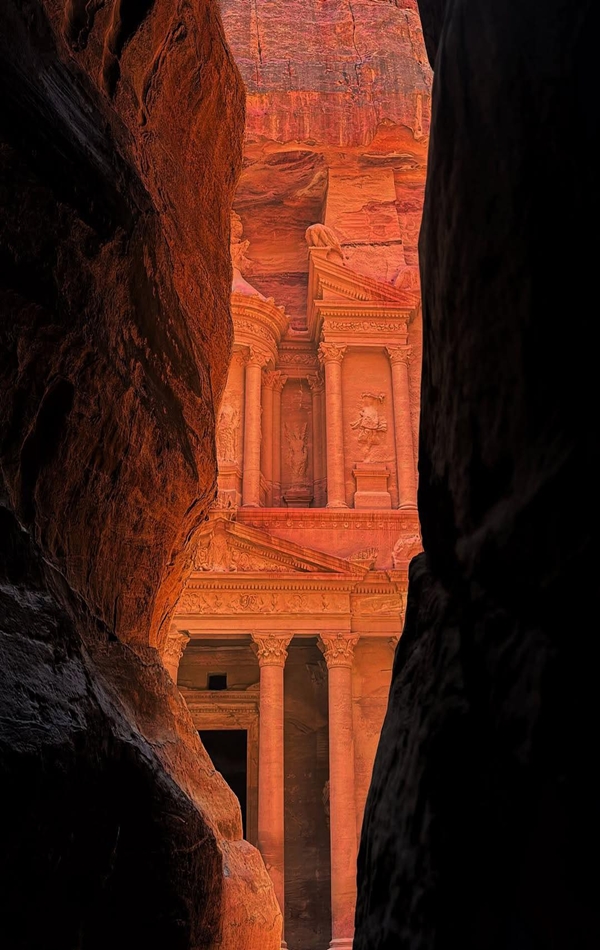
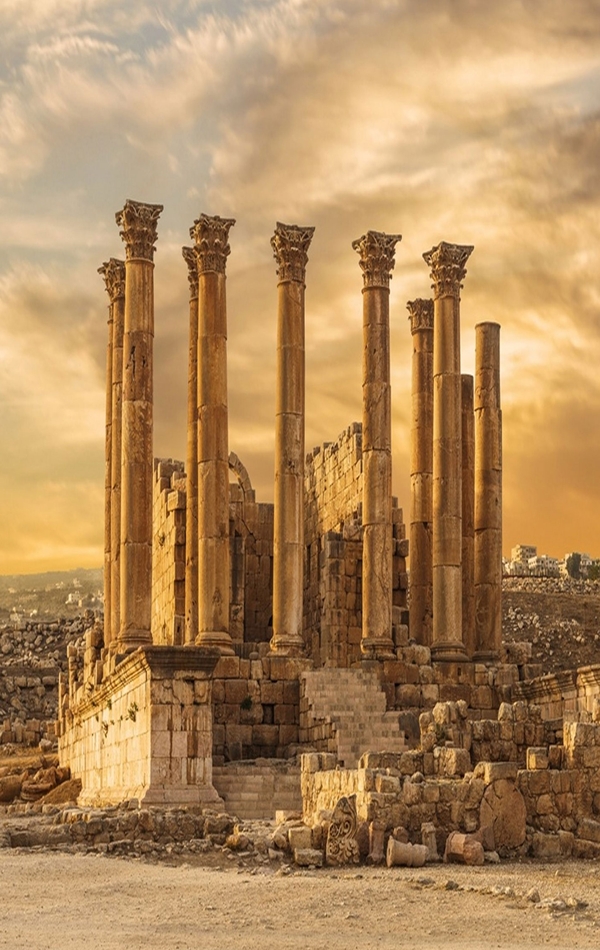
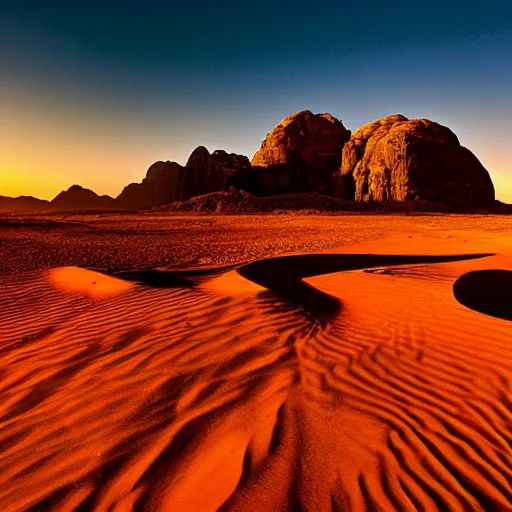
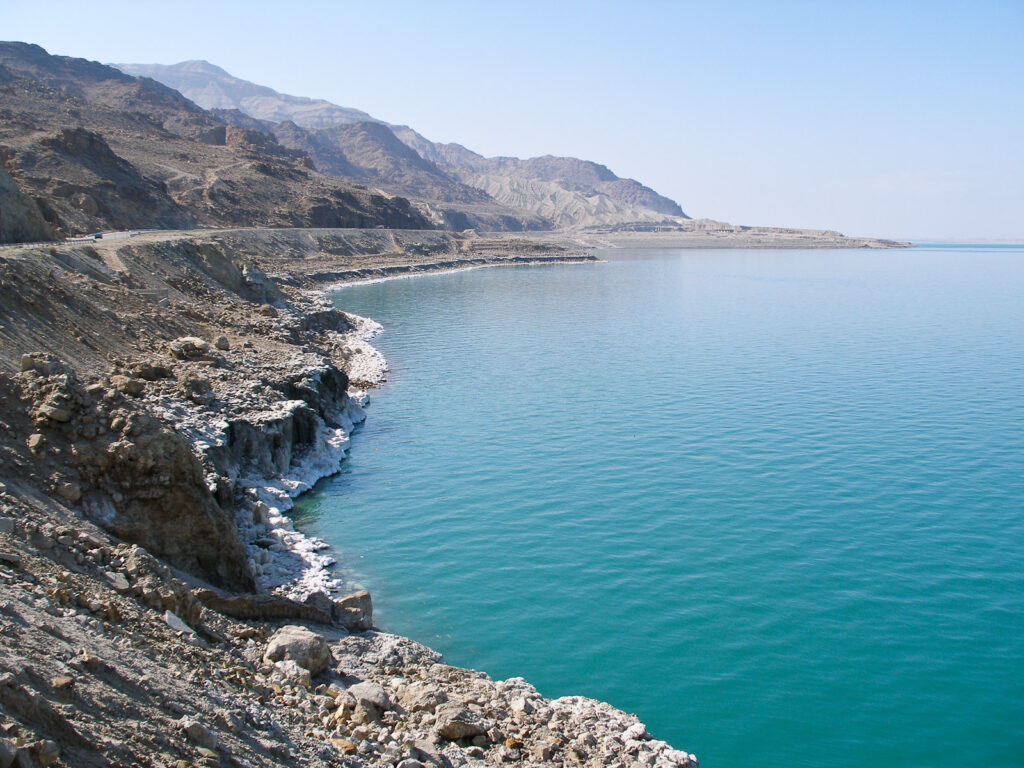
Many pilgrims also want to understand Jordan’s wider history and culture. Petra, Jerash, Amman, Wadi Rum and the Dead Sea can provide valuable context when they complement the group’s purpose. They show how civilisations, trade, landscape and communities shaped the country around its sacred places.
The best balance depends on the group. A church delegation may want more time for worship and interpretation, while a family pilgrimage may value a broader cultural perspective. Quest Travel can help make that balance feel coherent without turning this guide into a fixed programme.
Plan a Jordan pilgrimage with Quest Travel
Begin with the spiritual purpose of the journey, the needs of the participants and the moments that deserve protected time. Quest Travel Jordan will then help translate those priorities into thoughtful private coordination on the ground.
Contact Quest Travel Jordan to discuss a faith-sensitive pilgrimage, or explore the Jordan Tours collection for the programmes managed in the Tours module.